
Use WD-40 and a scotch-brite pad to remove any rust or residue from the end mill. Be careful around the cutting edges as they can be very sharp, especially if the end mill is new. Wipe down with a dry rag before picturing.
Click here for info about how to upload pictures
If you are picturing a single end mill:
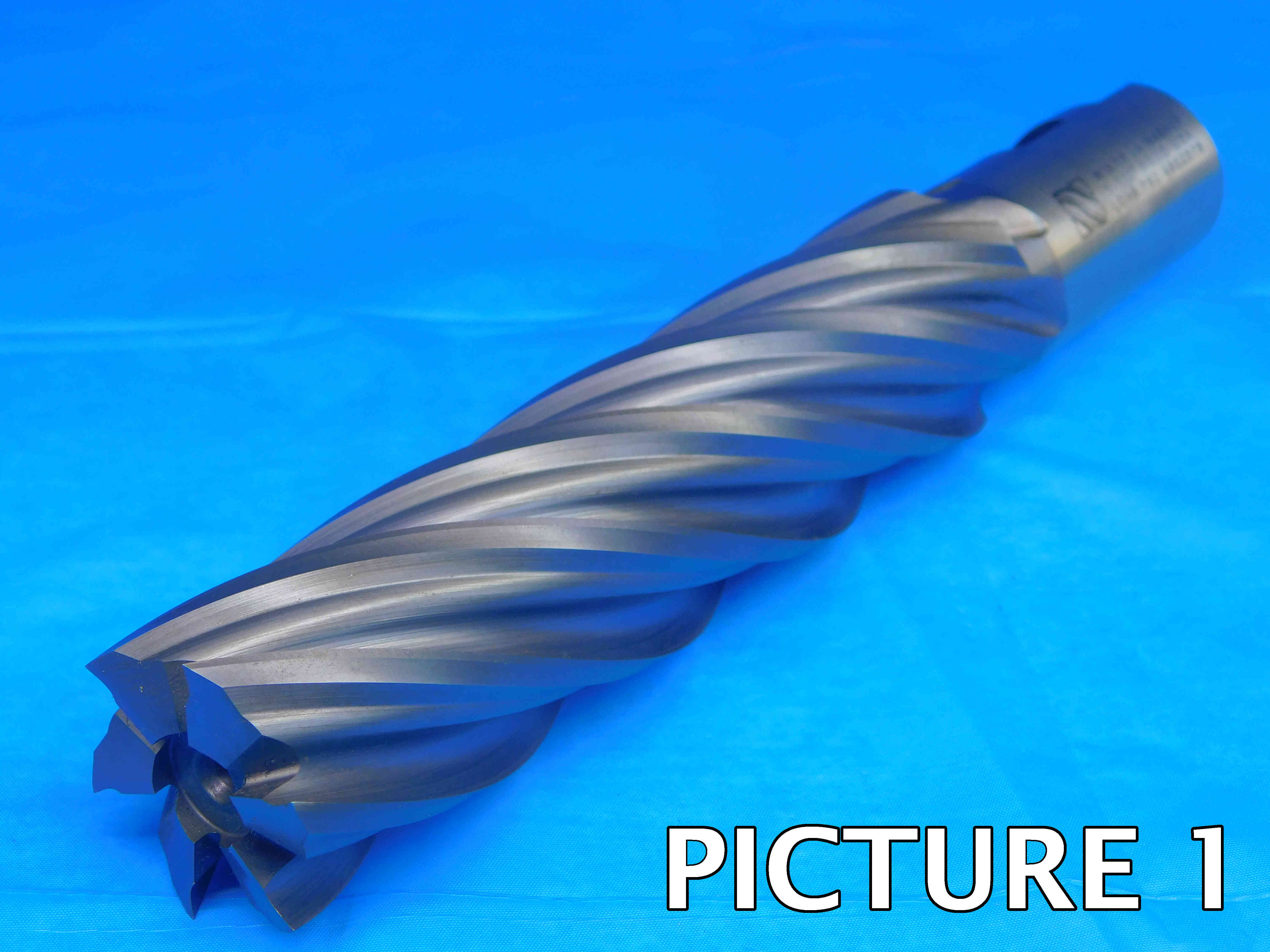
1st Picture: A three-quarters (or "3D") shot of the end mill, with the working end toward the camera. Any packaging must be included in this picture.
NOTE: If you have packaging with labeling that does not match the item, black it out with a marker before taking pictures. Used items can often end up in mismatched packages and we do not want to cause confusion by having inaccurate brands or part numbers showing in the listing.
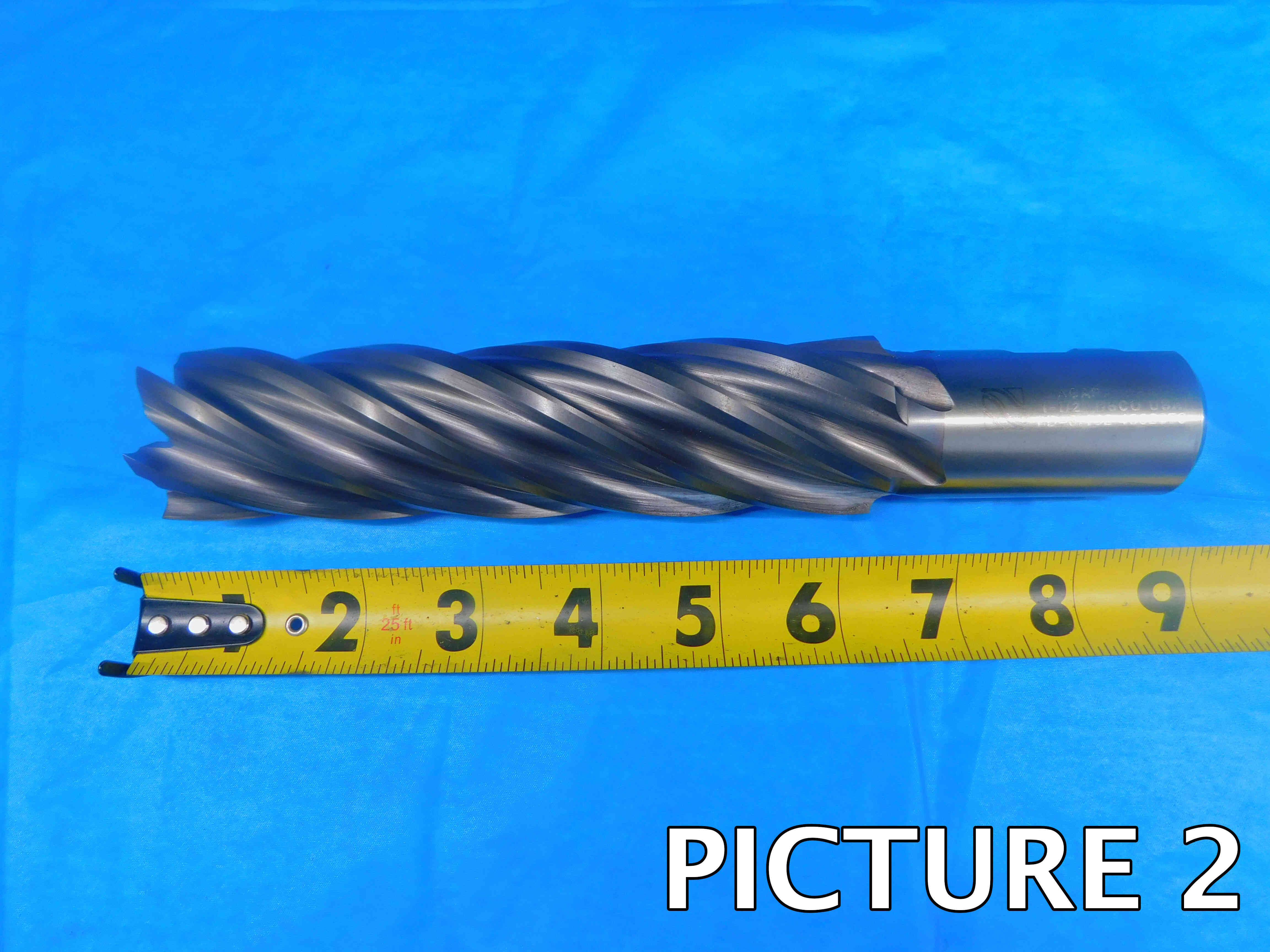
2nd Picture: A side view of the end mill, with a tape measure at the bottom of the frame to provide size reference. Make sure there is sufficient space between the end mill and the tape measure so that the tape measure is not covering up any part of the end mill. If there is labeling, orient the end mill so that the labeling is readable (i.e., right-side up). If there is any packaging, include it in this picture as well.
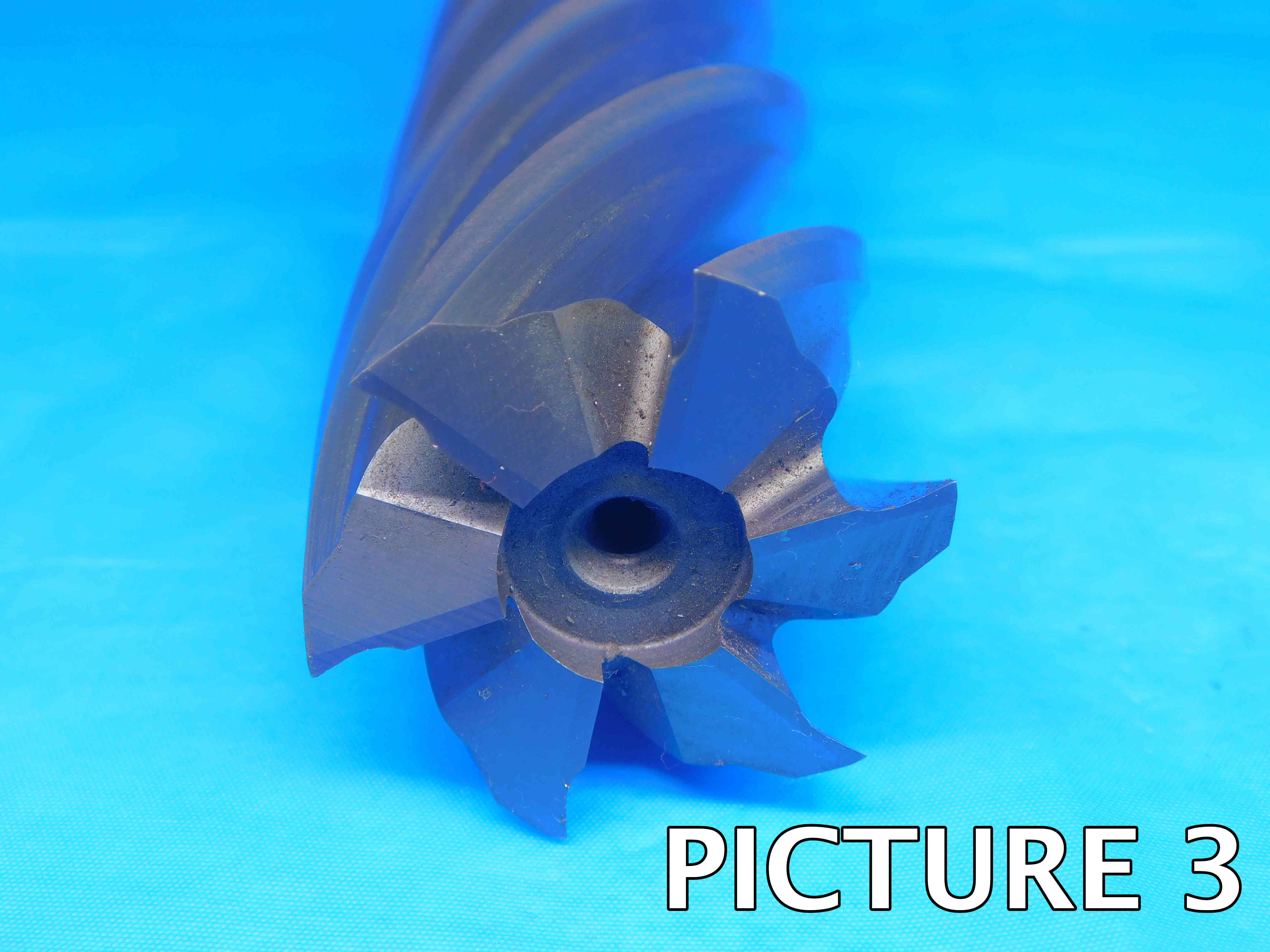
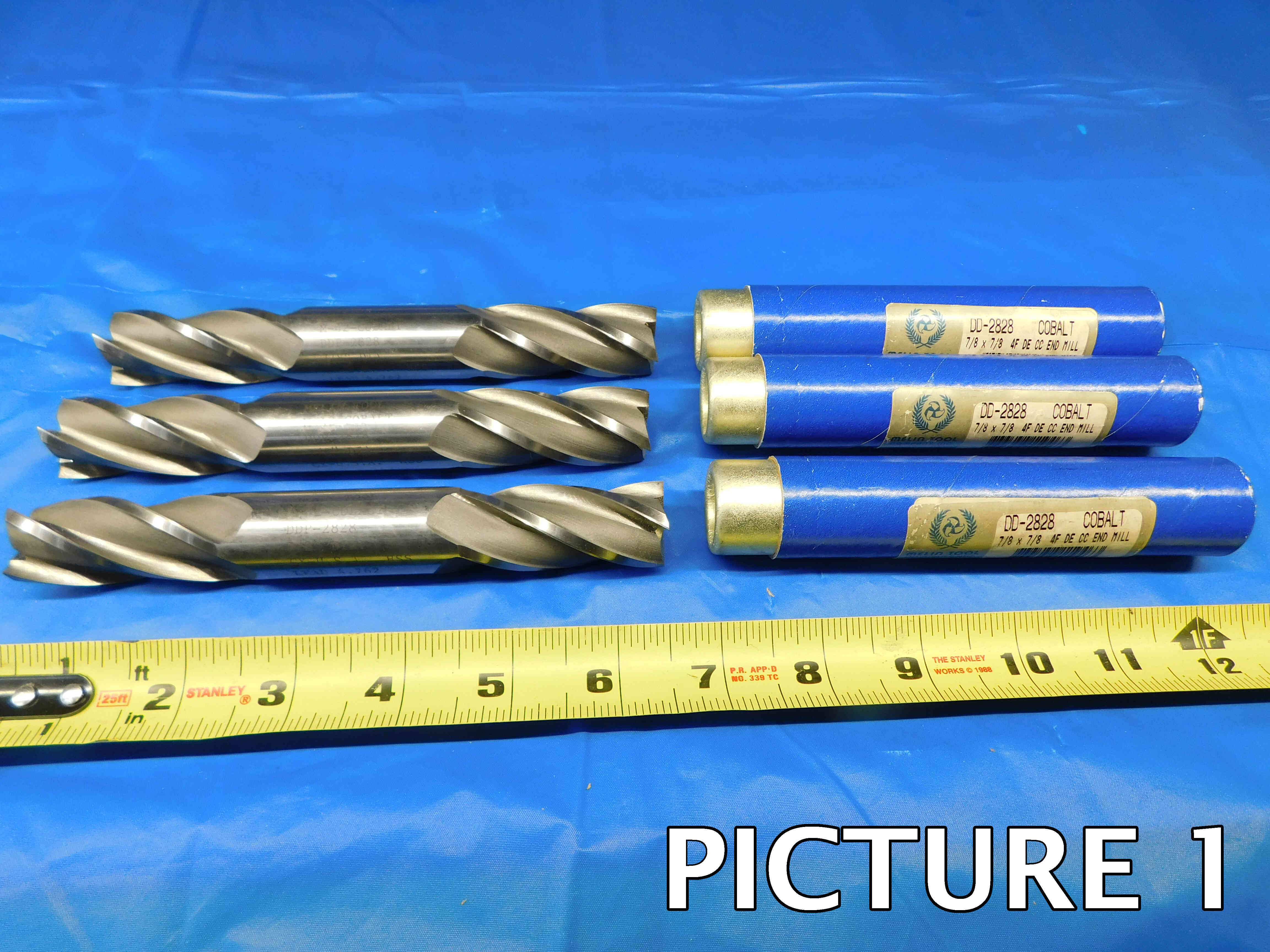
3rd Picture: A close-up, head-on shot of the working end.
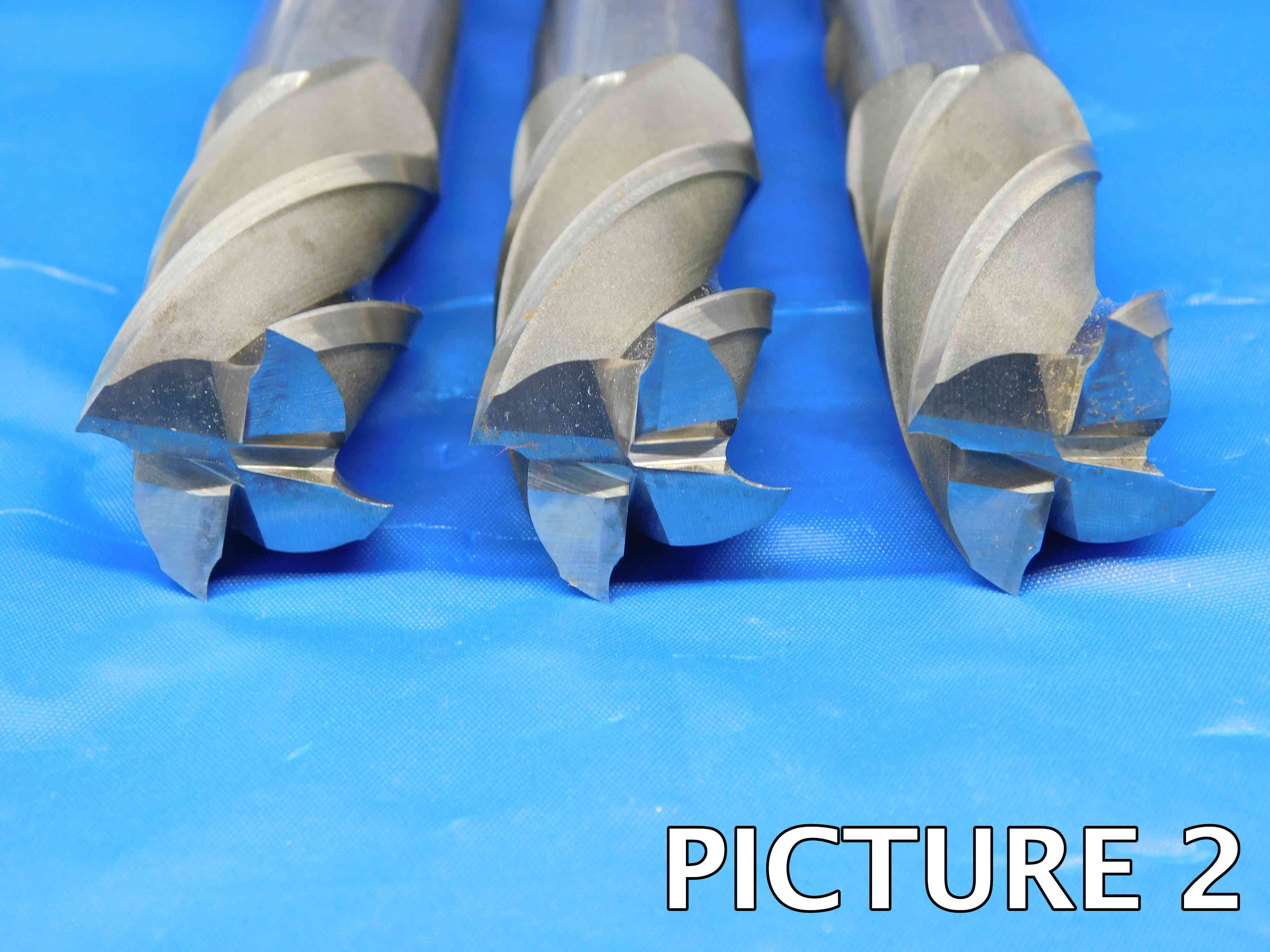
4th Picture: A close-up shot of the labeling. Depending on the size of the end mill and where the labeling is located, this may require more than one picture. If there is no labeling, or if it is too faded to show up in a photo, skip this picture.
Additional Pictures: Any damage or modification to the shank or cutting edges must be clearly pictured. Use a pen to point to the damaged / modified areas. If there are any flat sections on the shank (whether manufactured or modified) which are not clearly visible in the previous pictures, they should be shown in an additional picture as well. If you think you may need additional pictures for any other reason, check with your trainer to see if they are necessary.
Refer to the examples below:
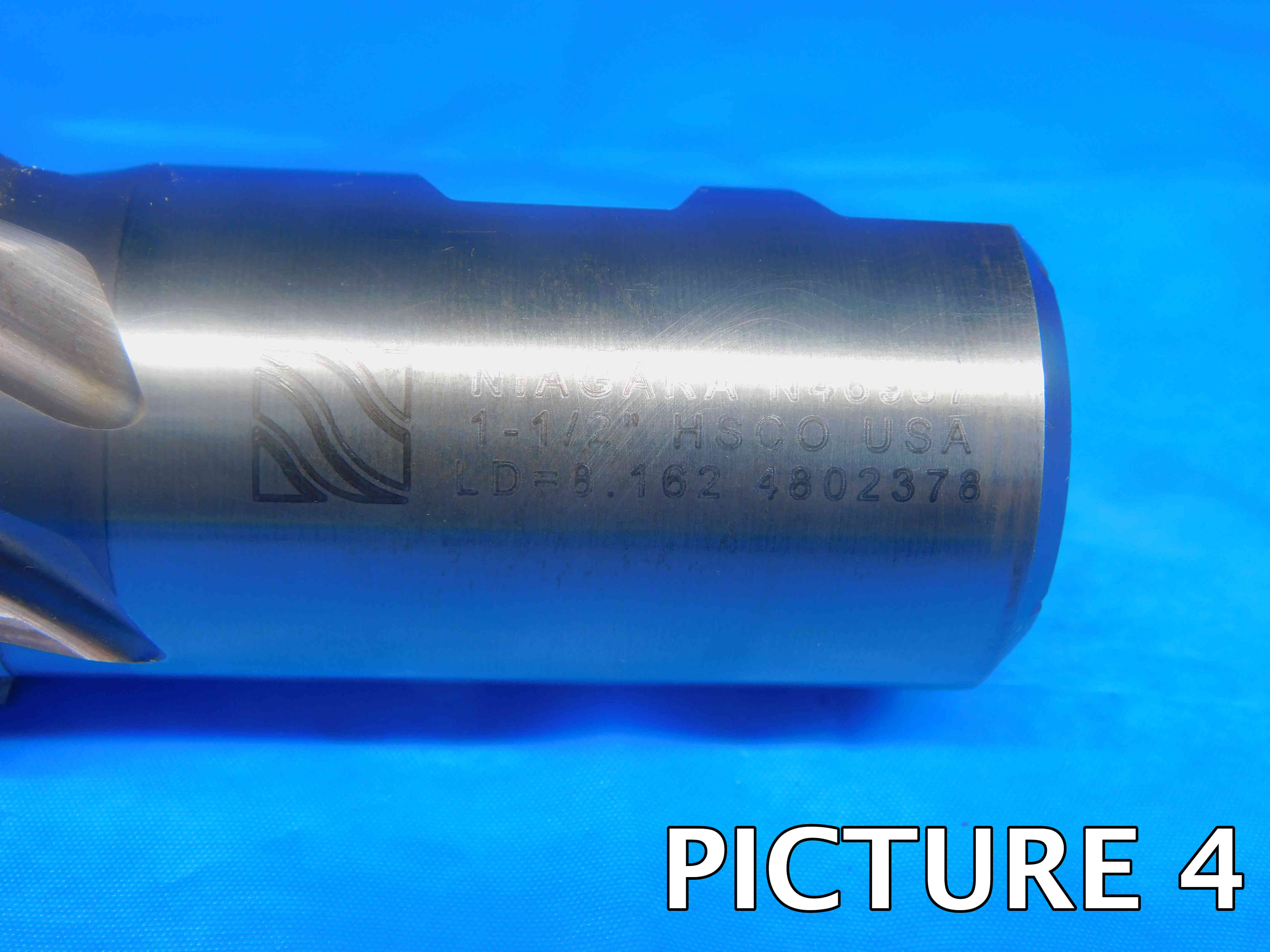
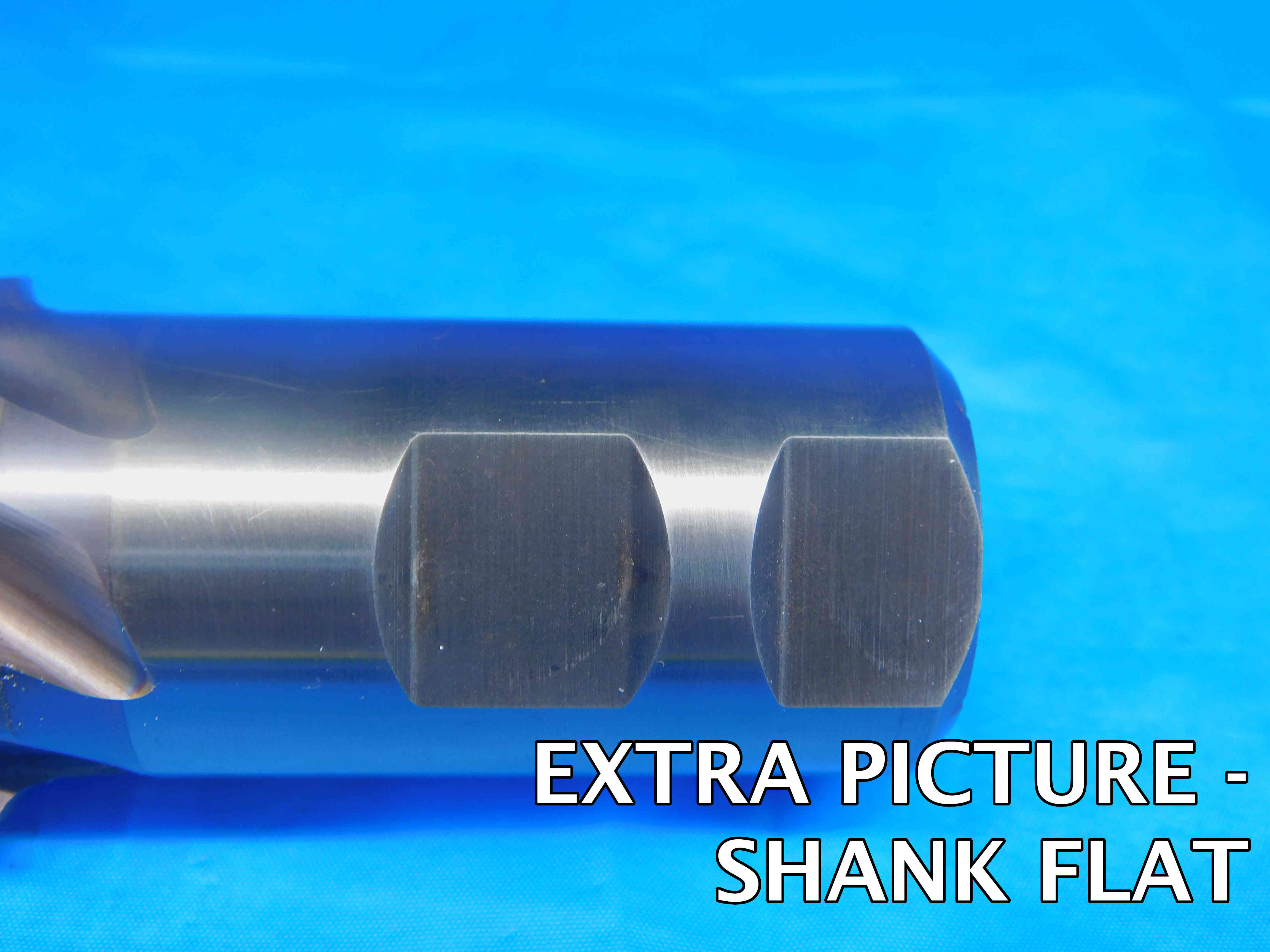
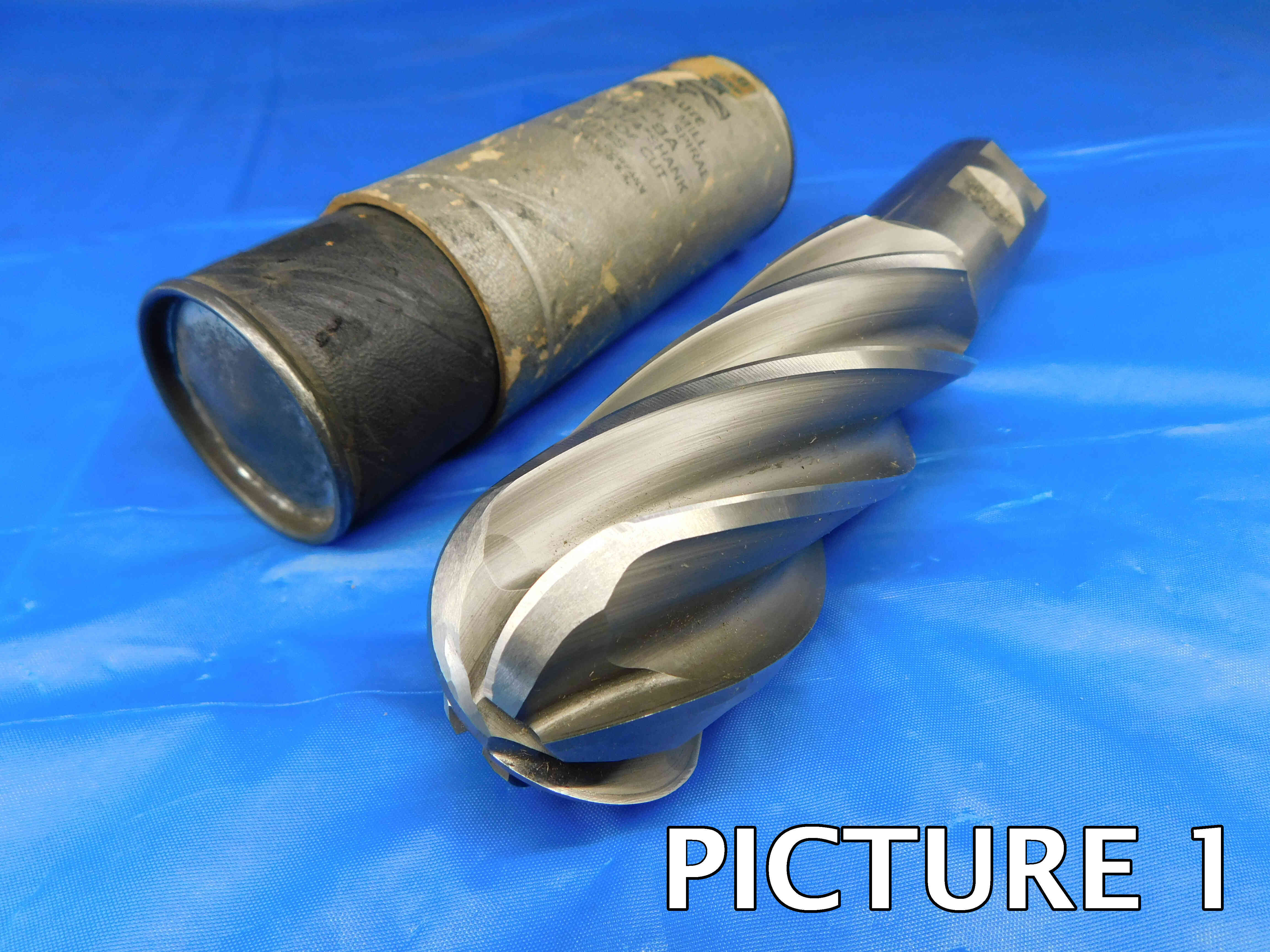
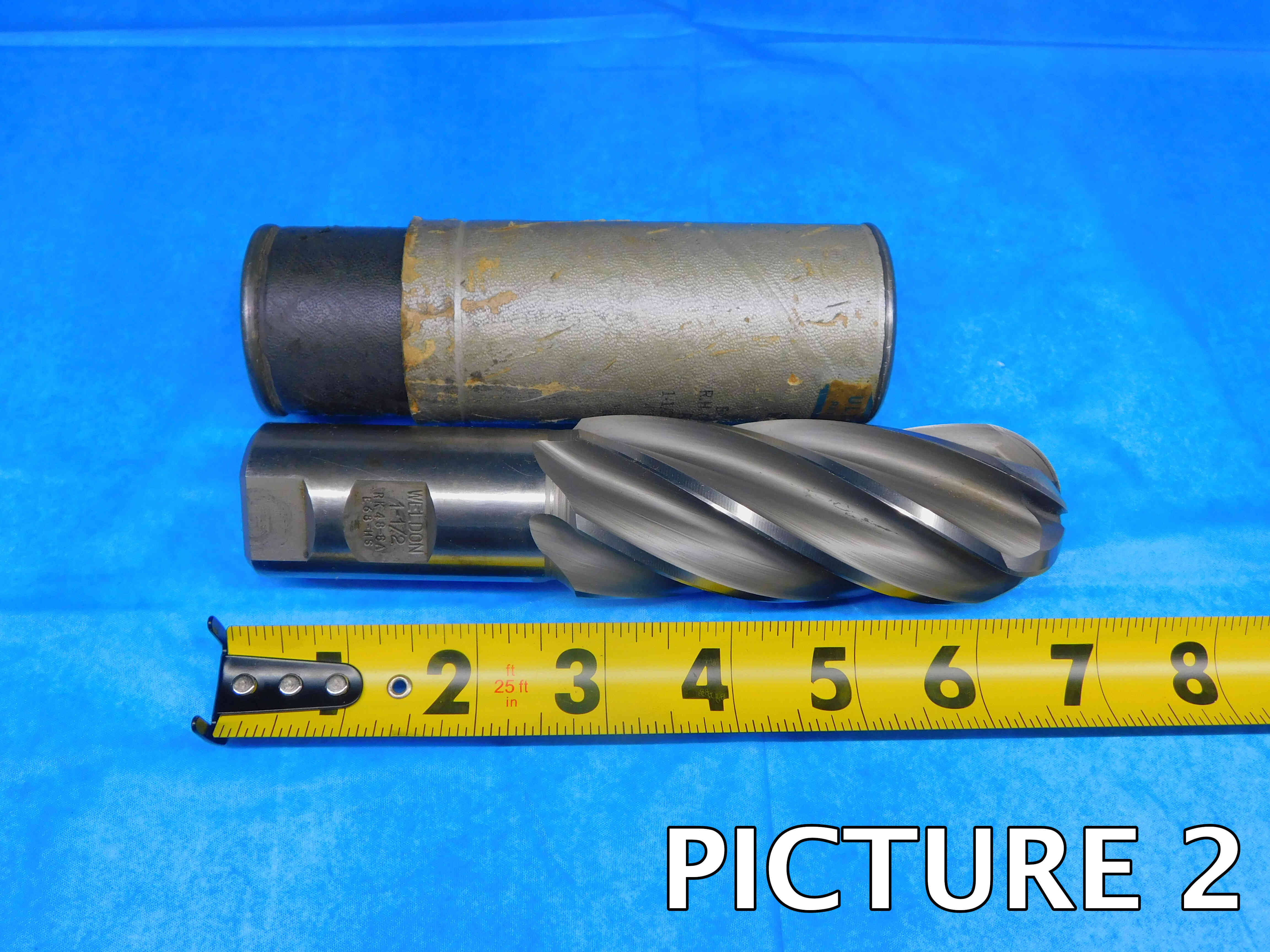
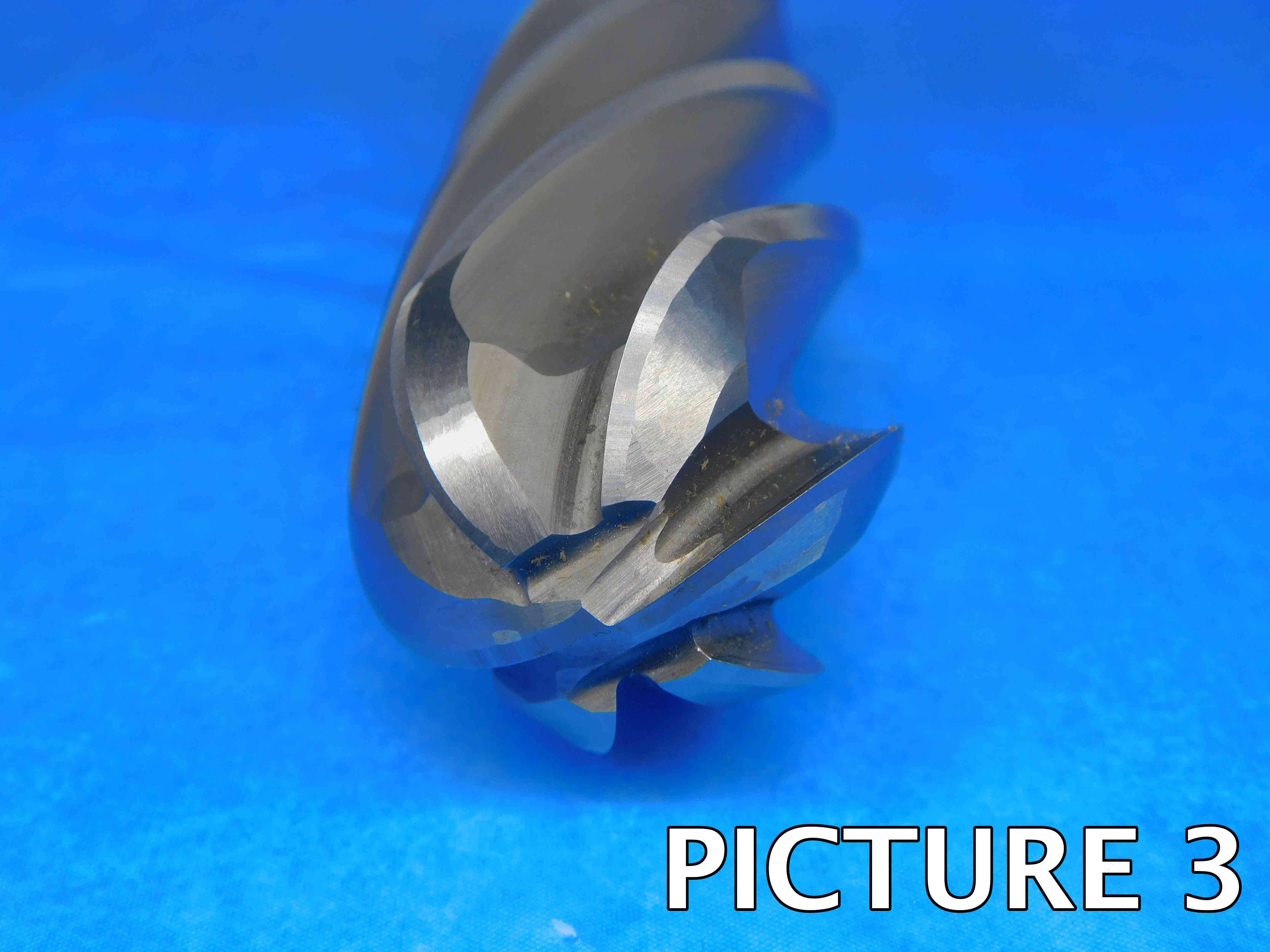
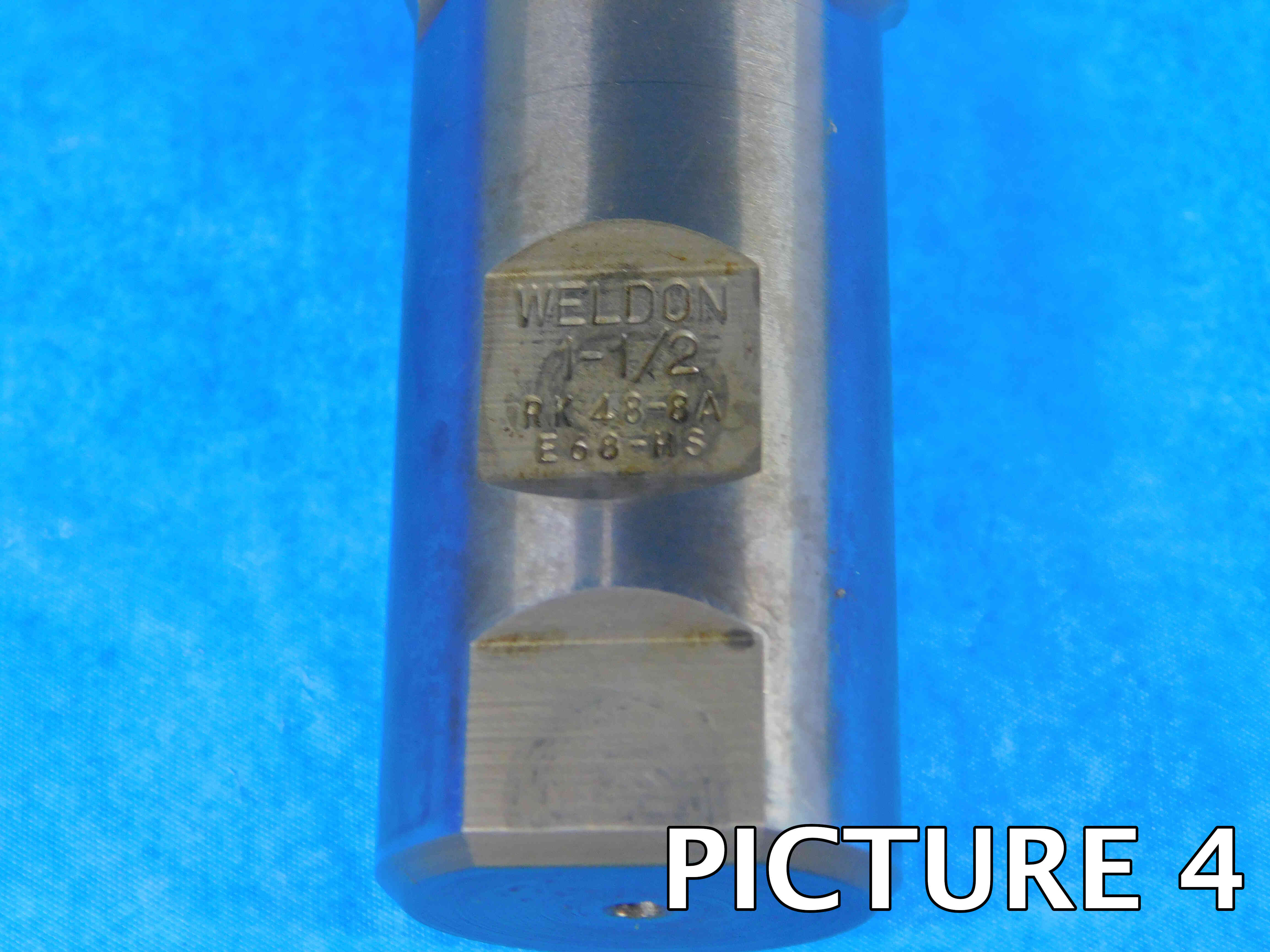
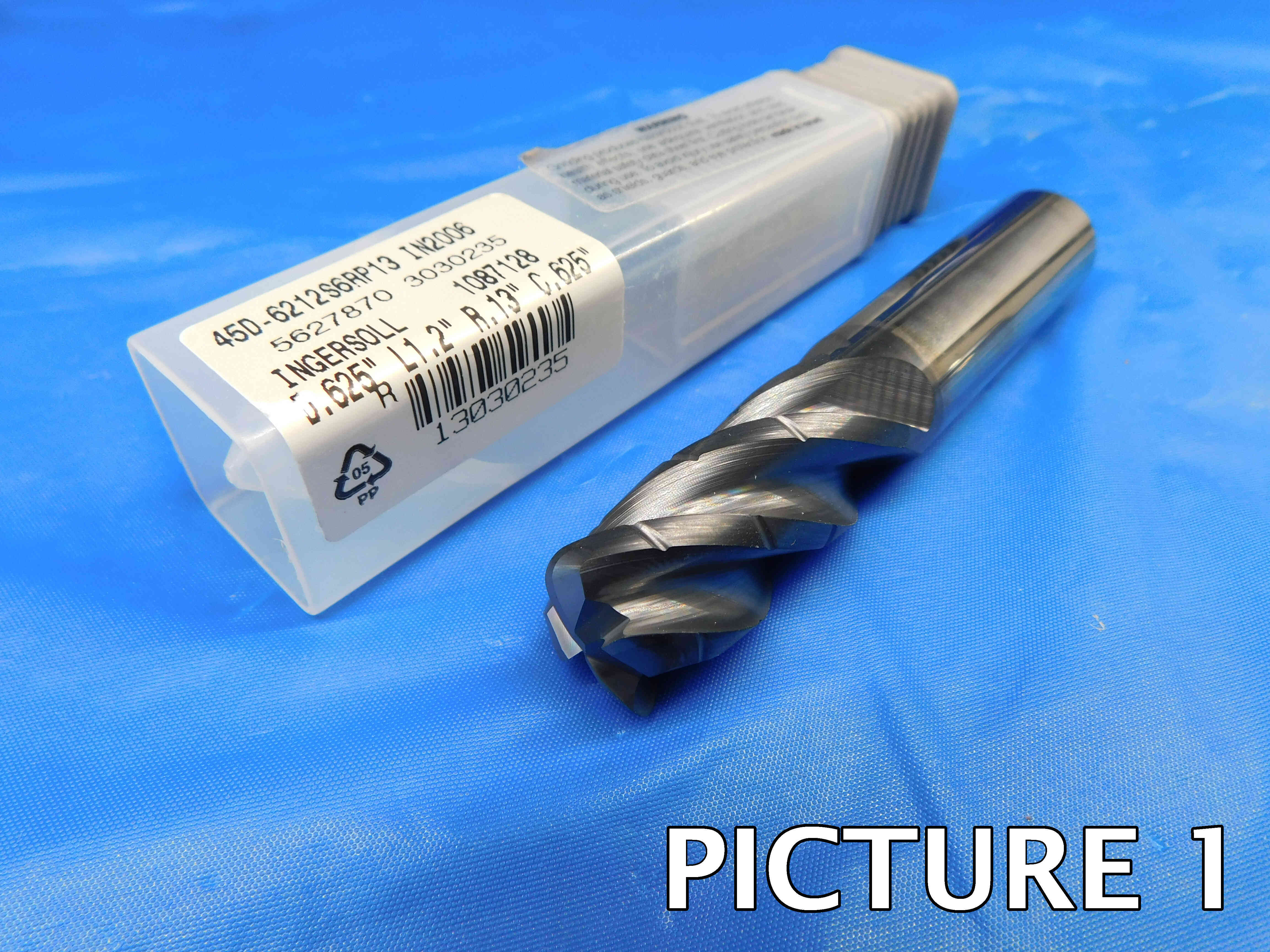
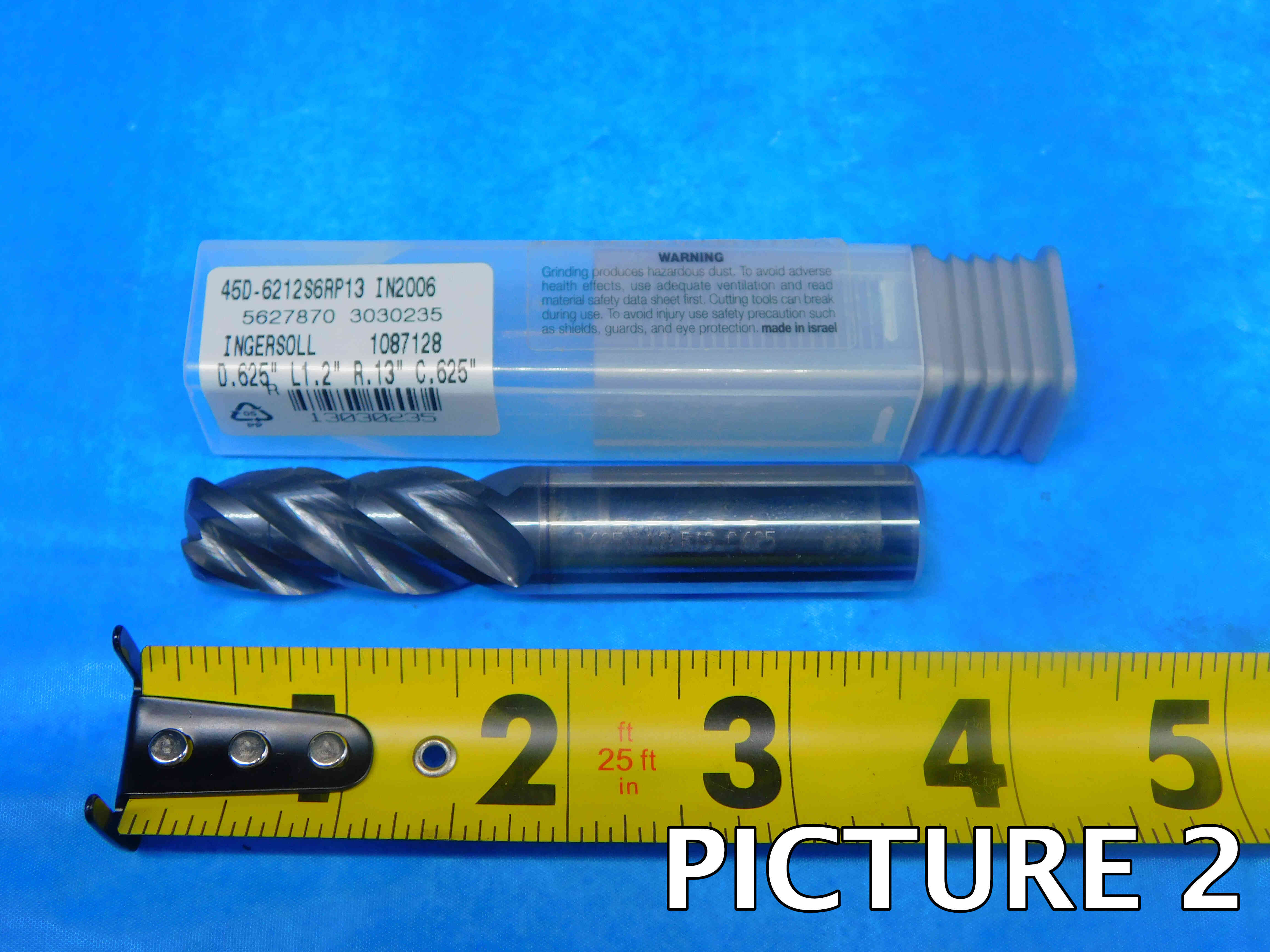
If you are picturing multiple end mills:
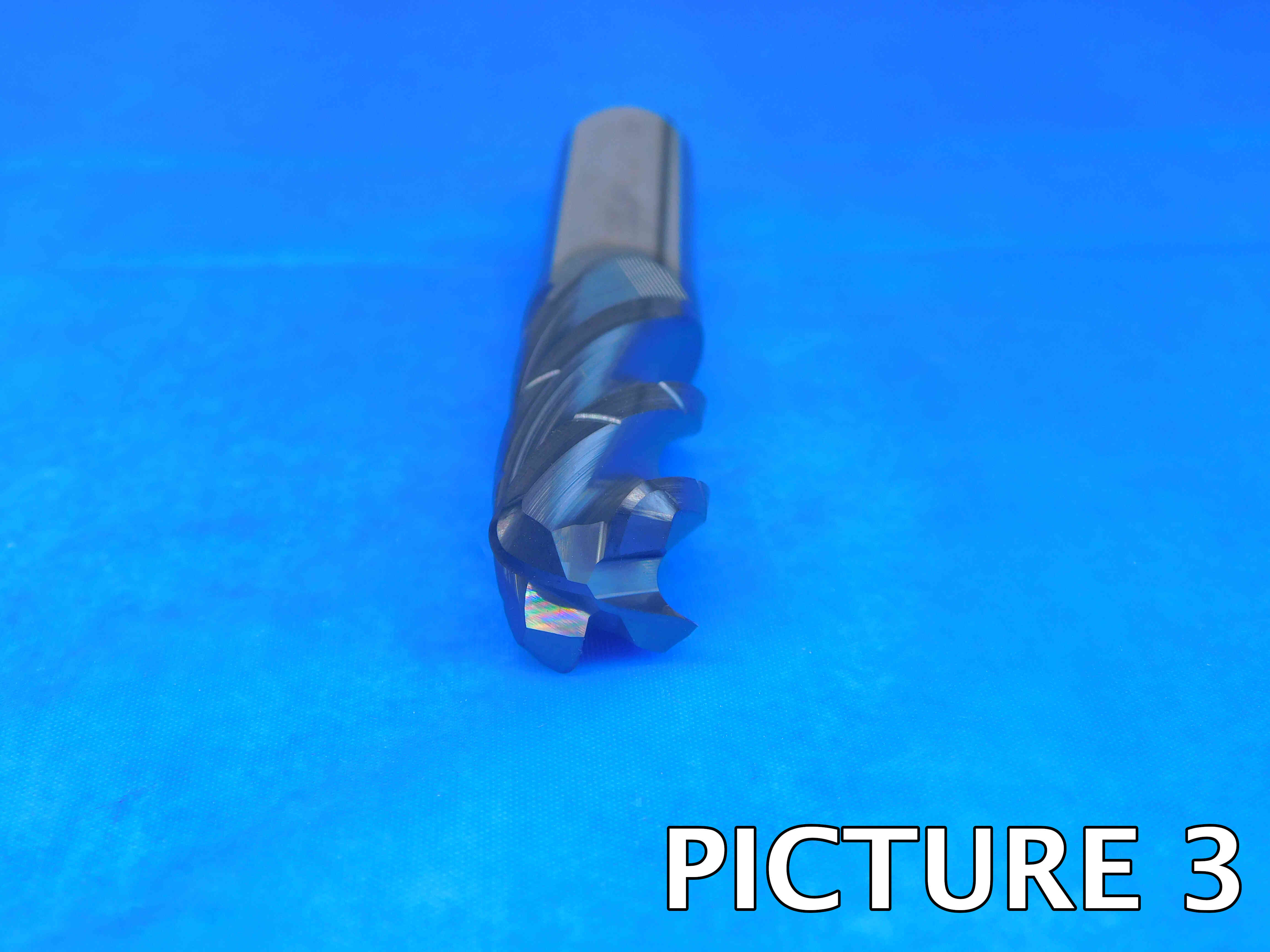
1st Picture: A side view of the end mills, with a tape measure at the bottom of the frame to provide size reference. If the end mills are different sizes, position them with the smallest at the front (closest to tape measure) and the largest in back. Make sure to space out the end mills enough that the cutting edges are not touching. If there is labeling, orient the end mills so that the labeling is readable (i.e., right-side up). If there is any packaging, include it in this picture as well.
NOTE: If you have packaging with labeling that does not match the item, black it out with a marker before taking pictures. Used items can often end up in mismatched packages and we do not want to cause confusion by having inaccurate brands or part numbers showing in the listing.
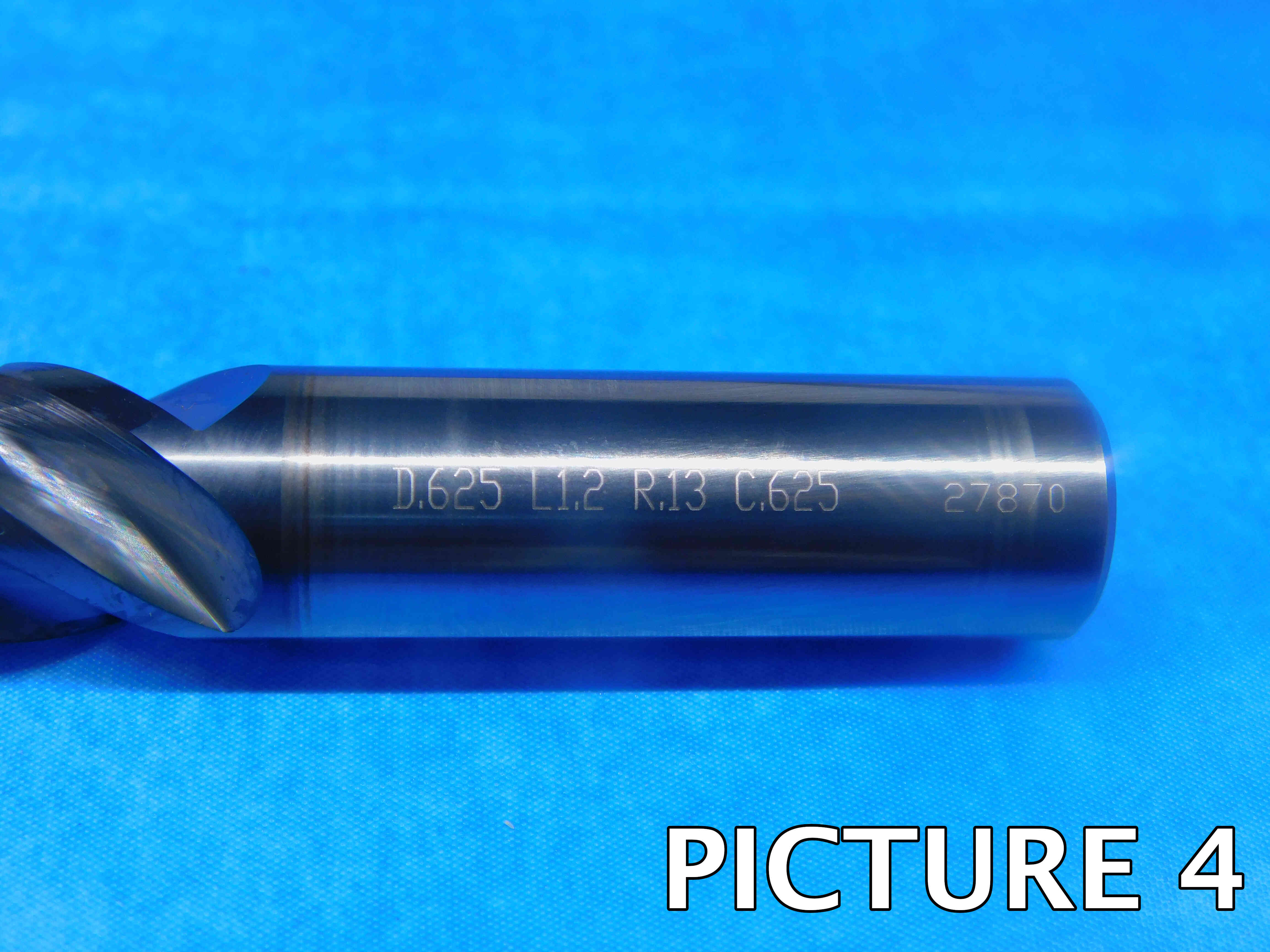
2nd Picture: A close-up, head-on shot of the working ends. If you are picturing a particularly large number of end mills, this might require multiple pictures.
3rd Picture: A close-up shot of the labeling. If all of the end mills are identical, only one needs to be included in this picture. Otherwise, try to get all of the different labels in as few shots as possible while still being readable. Depending on the size of the end mills and where their labeling is located, this may require multiple pictures. If there is no labeling, or if it is too faded to show up in a photo, skip this picture.
Additional Pictures: Any damage or modification to the shank or cutting edges must be clearly pictured. Use a pen to point to the damaged / modified areas. If there are any flat sections on the shank (whether manufactured or modified) which are not clearly visible in the previous pictures, they should be shown in an additional picture as well. If you think you may need additional pictures for any other reason, check with your trainer to see if they are necessary.
Refer to the examples below:
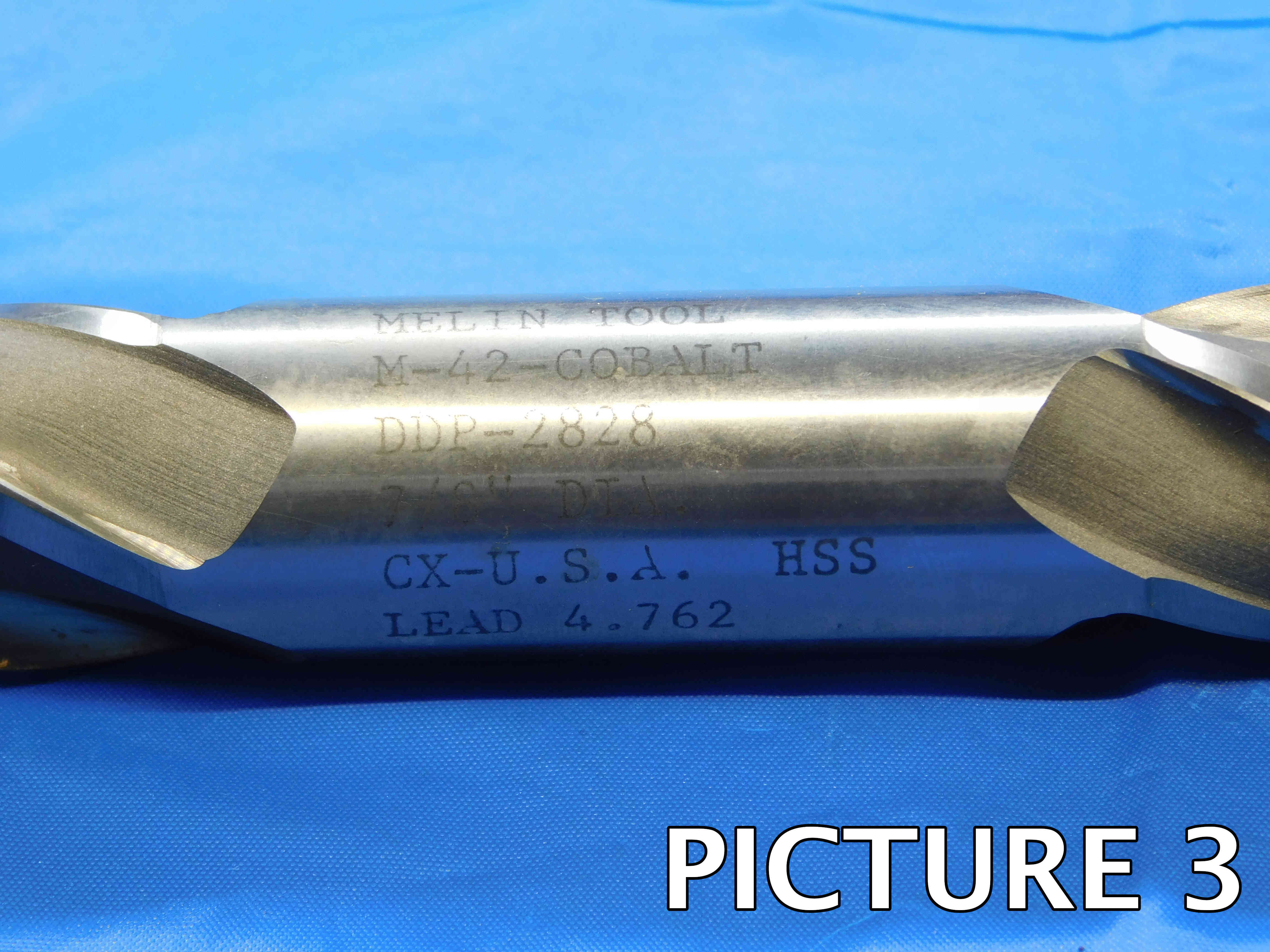
The brand will typically be labeled on the shank. If there is no brand labeled, click the "unlabeled" button to the right of this cell. Make sure this cell is not left blank, or the listing will not upload properly. Note: Items are often labeled with the country of origin (USA, China, Japan, Poland, etc). This should NOT be entered as the brand, and furthermore should not be included in the listing at all EXCEPT for USA which can be used as a filler.
High Speed Steel (HSS)
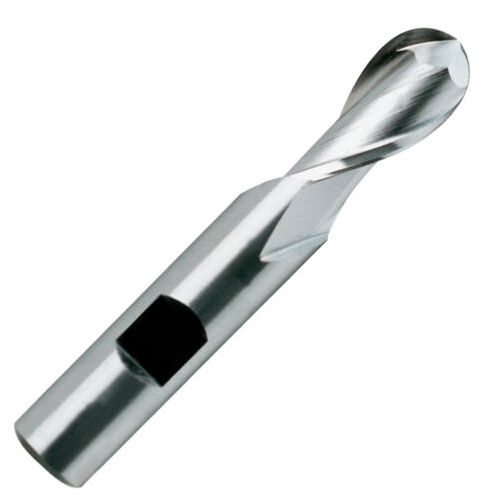
High speed steel (often referred to as "HSS" and sometimes "HS") is the most common end mill material. It is cost effective and works well for many general purpose applications. HSS typically has a bright silver appearance. If the end mill is coated, you may have to look at the base of the shank for the color of the material.
Cobalt
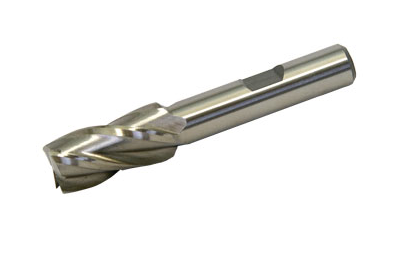
Cobalt end mills will have a somewhat duller, almost golden color and are slightly heavier than HSS. They are not used for general purpose, but for withstanding very high milling temperatures and hard abrasive materials. Cobalt will often be denoted in labeling as "M-42", which is an HSS-Cobalt alloy but can be simply described as Cobalt or M-42 Cobalt.
Carbide
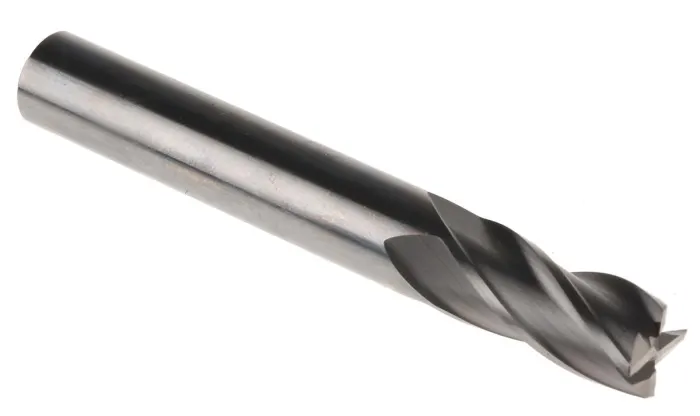
Carbide will have a darker gray appearance when uncoated, but can look quite similar to HSS. The easiest way to tell carbide apart from other metals, is that it is extremely heavy weighing twice as much as steel. Carbide is popular for its wear resistance and toughness, as well as its ability to be manufactured into many shapes.
Some end mills will have a coating on the cutting material that serves a variety of purposes. Some coatings can be difficult to tell apart, so leave this blank if you are not sure. The most common coatings are described below:
TiN (Titanium Nitride)
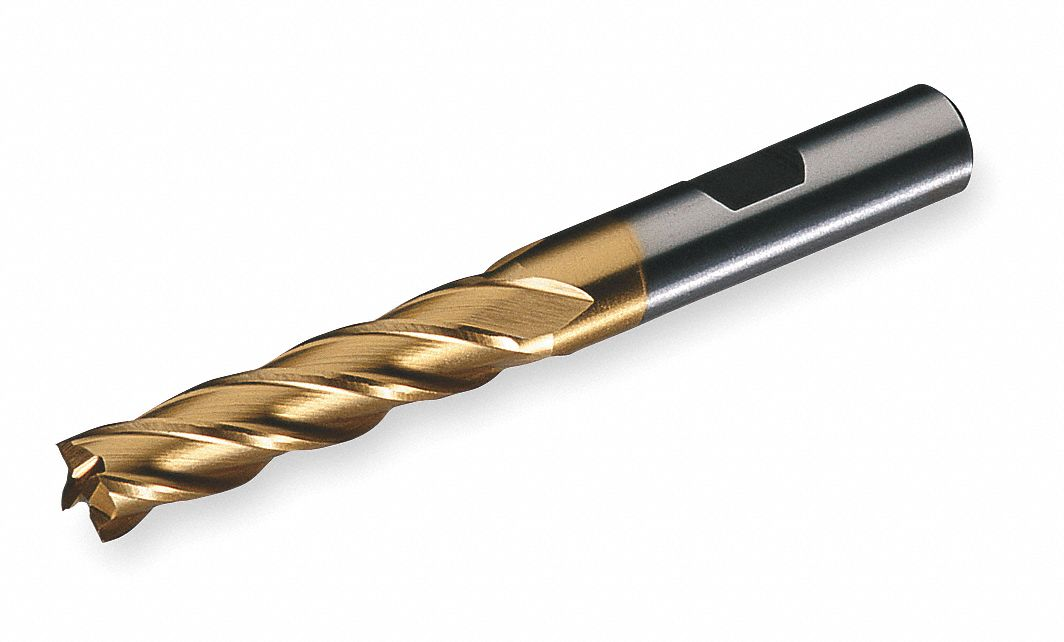
Titanium Nitride (TiN) is a general-purpose coating with a gold color. The coating provides increased heat and hardness resistance which allows the tool to run at higher speeds of up to 30% vs. uncoated tools.
TiCN (Titanium Cabronitride)
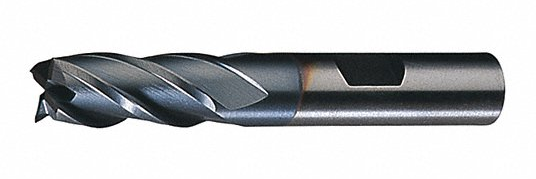
TiCN coatings are even more wear resistant than TiN. Looking only at the flutes it may be hard to tell apart from solid carbide, but importantly there will be a difference in color between the flutes and the base of the shank. There should also be a bronze discoloration from the chemical reaction between the coated and uncoated portions of the shank.
TiAlN (Titanium Aluminum Nitride)
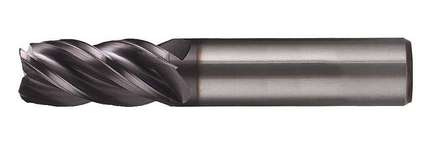
TiAlN will be a violet gray color and will be more resistant in high temperatures than TiN and TiCN. There will be less of a chemical reaction between the coated & uncoated portions of the end mill when compared to TiCN.
There are many different types of end mills, the most common of which are described below. If you are not sure what type an end mill is, leave this cell blank.
(Click an icon below to jump to that section)
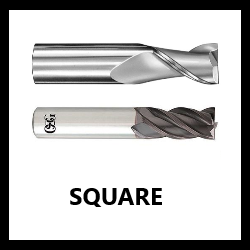

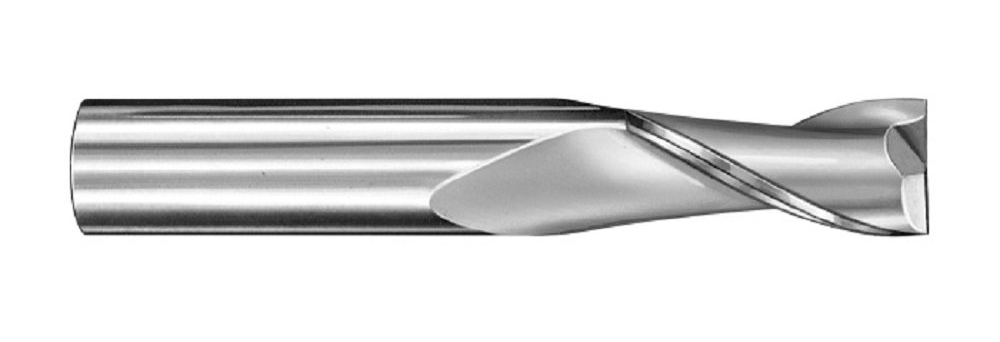
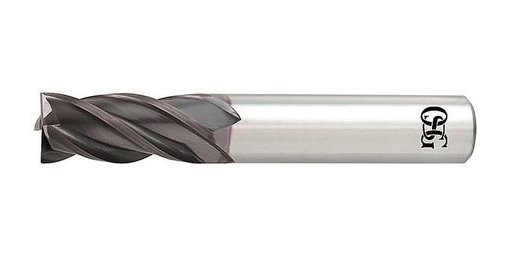
Square end mills, named for their 90 degree cutting edges, are the most common type and are used for general milling applications.
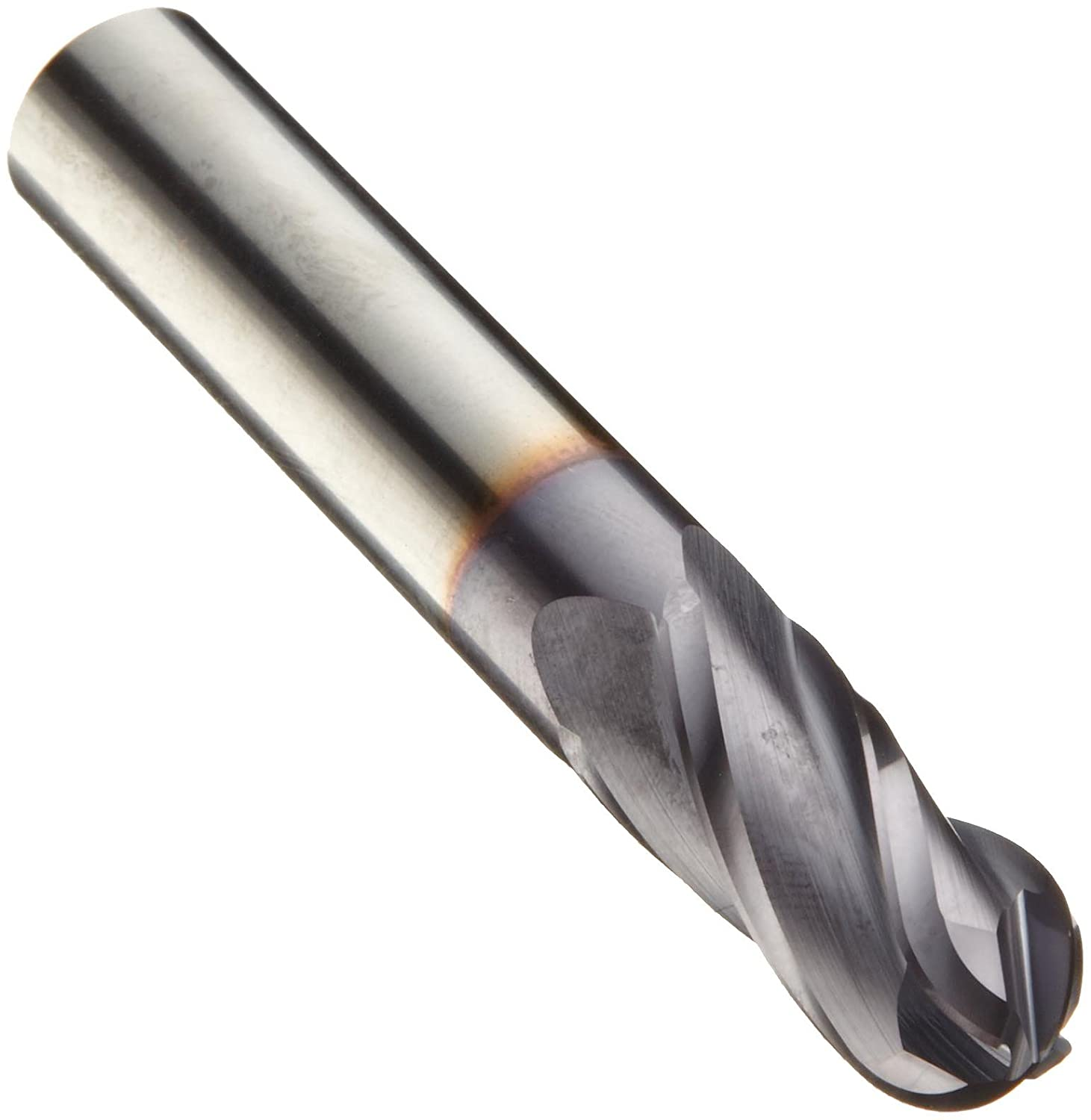
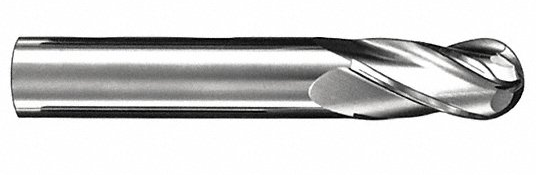
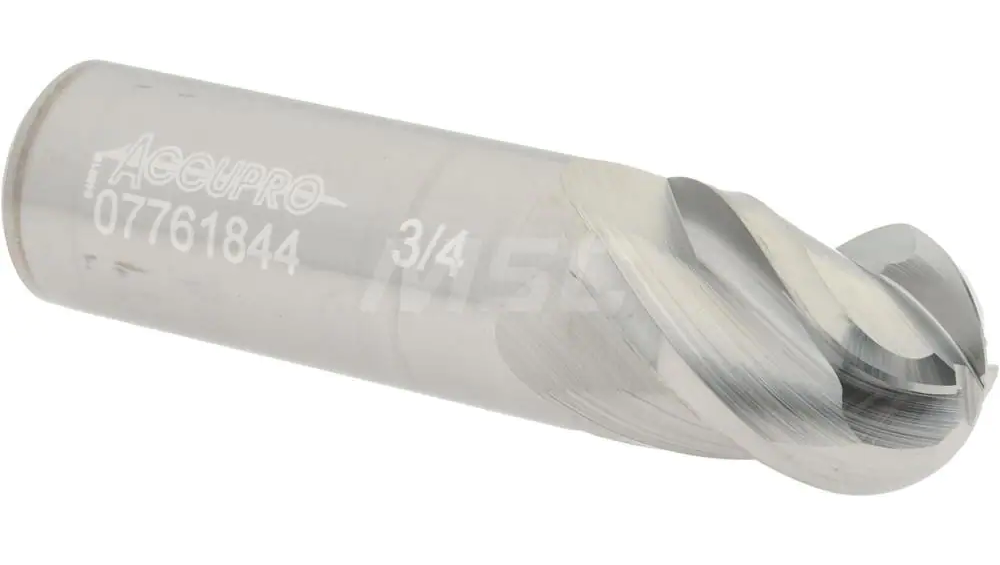
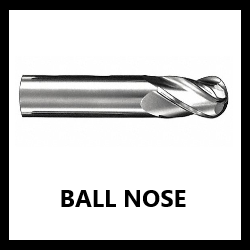
Ball nose end mills (also sometimes referred to as just ball end mills) have a round cutting edge and are used for milling contoured surfaces.
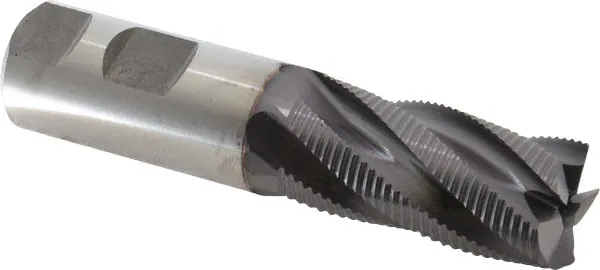
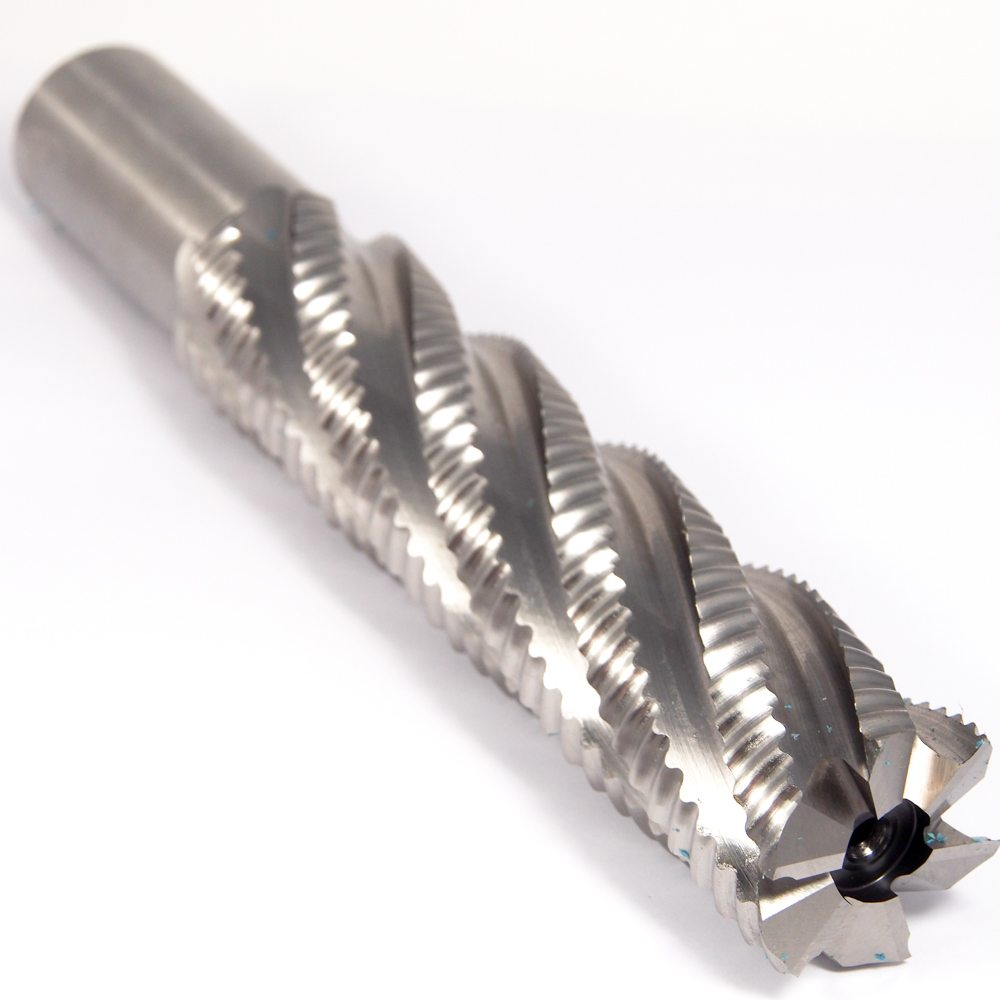
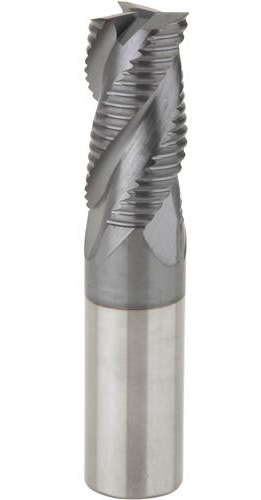
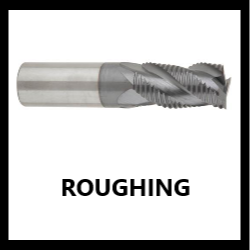
Roughing end mills have teeth similar to taps which allow the quick removal of large amounts of material during heavier operations. The tooth design allows for little to no vibration, but leaves a rougher finish (hence the name).
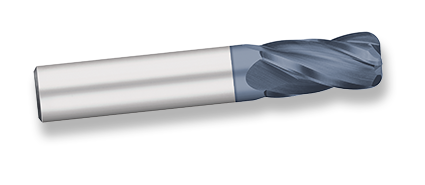
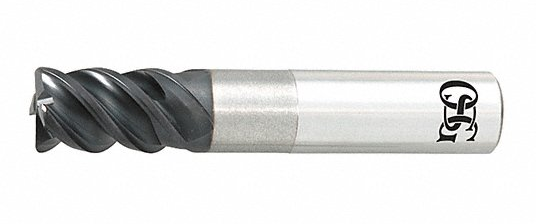
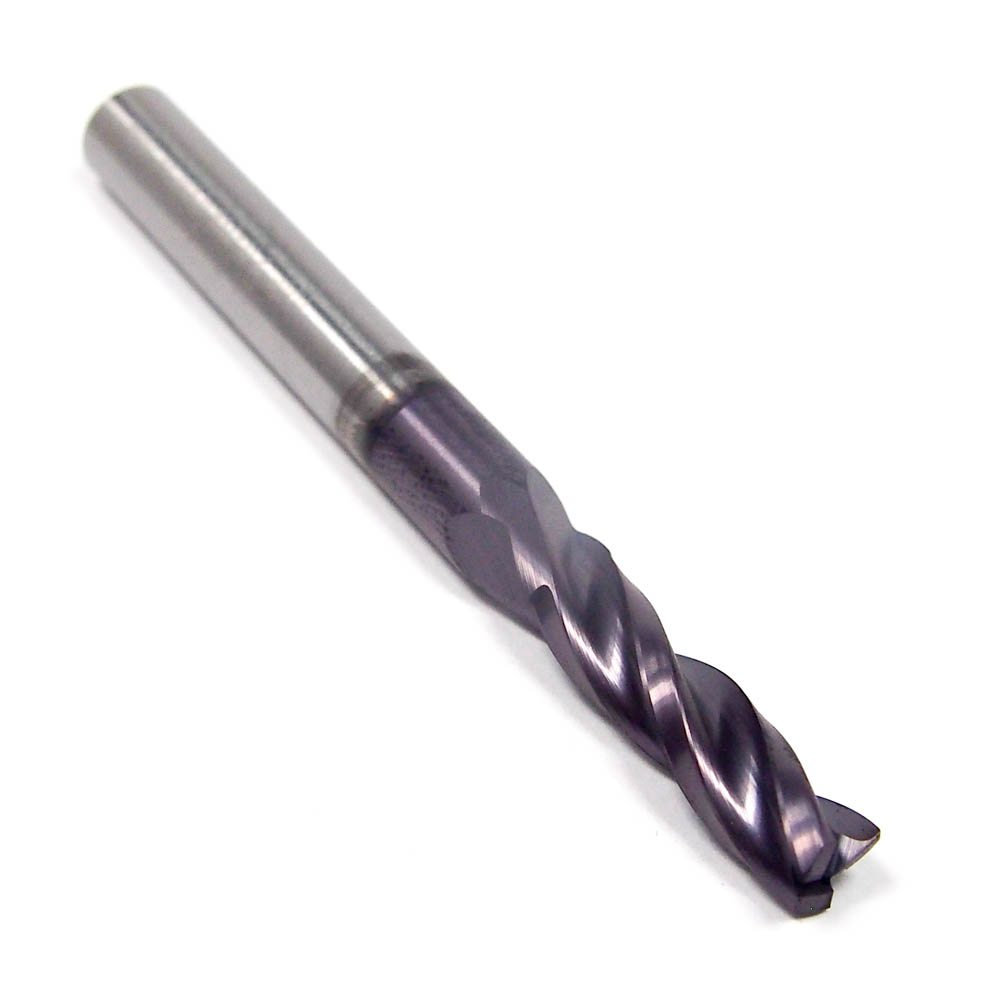
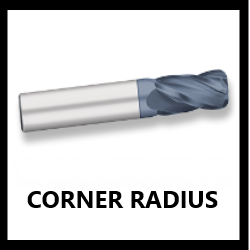
Corner Radius end mills (also sometimes called Bull Nose end mills) have a rounded cutting edge (but not fully round like a ball nose end mill) and are used in applications with specific radius requirements. The radius size will often be labeled with an "R" (such as ".030R") and should be included in the listing whenever this information is available.
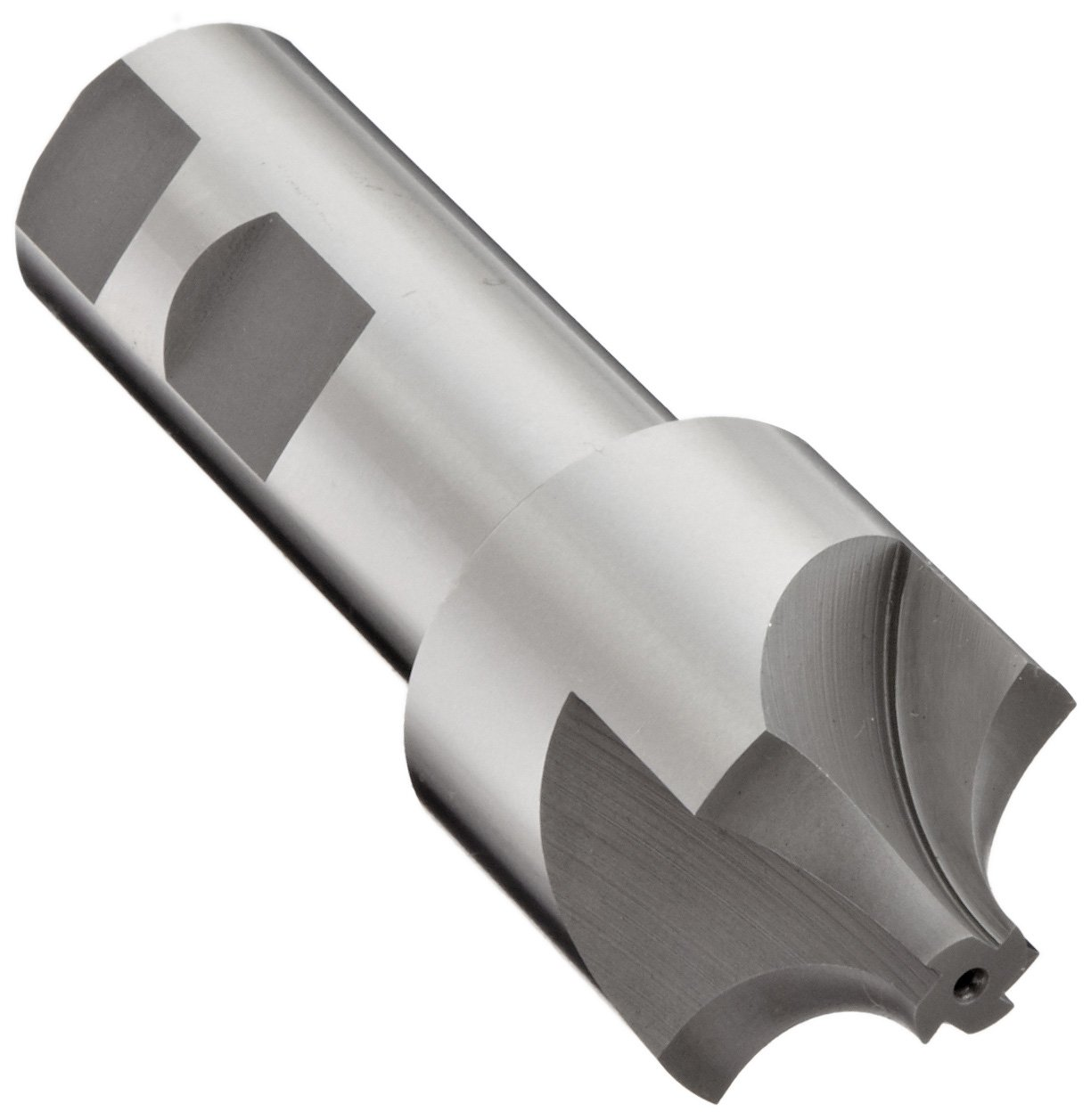
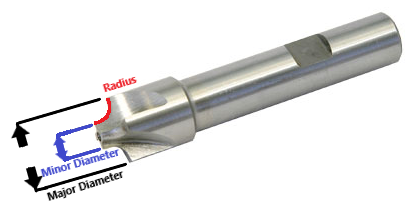
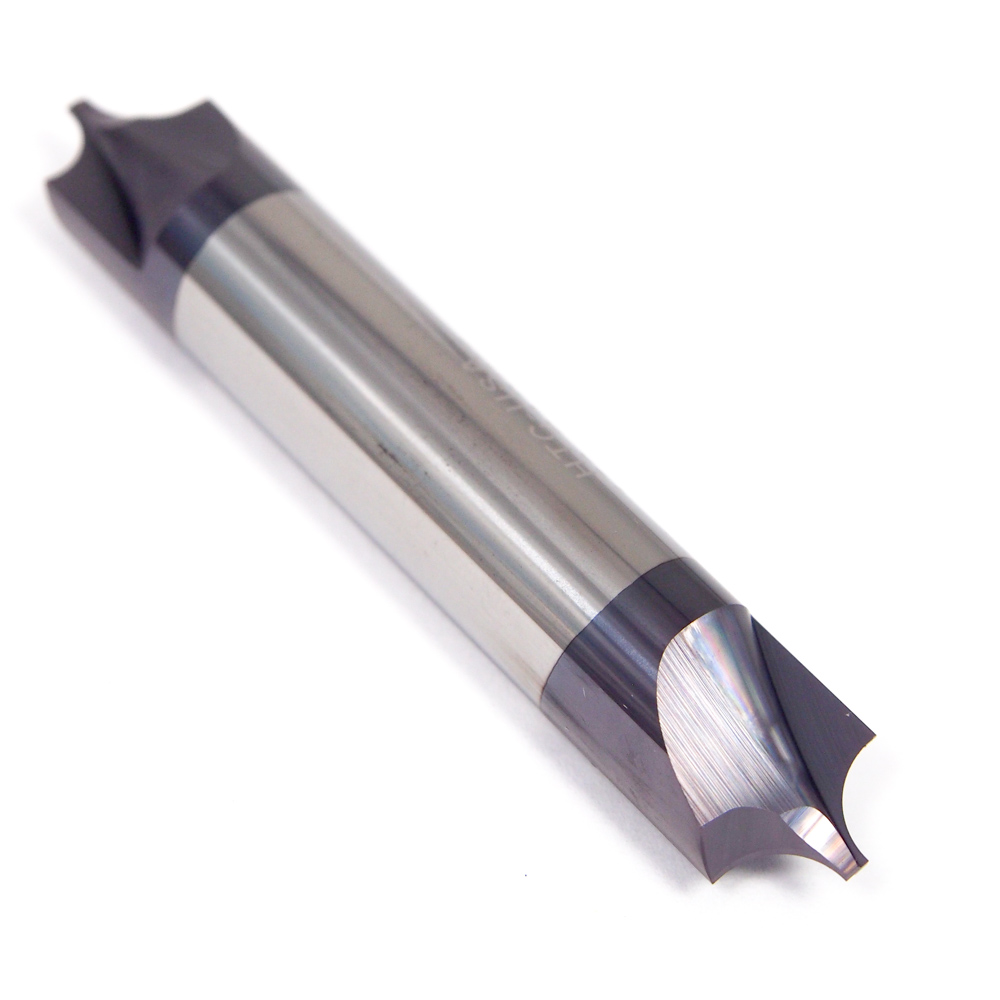
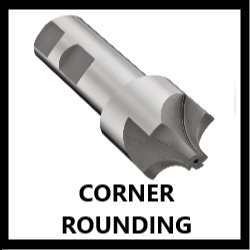
Corner rounding end mills can be thought of as the inverse of corner radius end mills - they have concave cutting edges and are used for milling rounded corners onto a workpiece. Like corner radius end mills, the radius size will often be labeled, but can also be measured using a radius gage. Additionally, corner rounding end mills have two different cutting diameters that should be included in the listing - the smaller diameter at the tip (called the Minor Diameter) and the larger diameter at the bottom of the radiused section (called the Major Diameter). Unlike other end mill types, corner rounders are not really considered to have a length of cut, since the amount of material being removed is entirely determined by the radius.
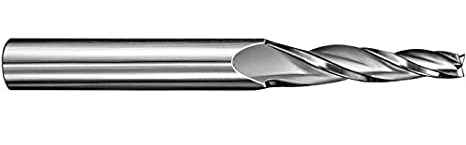
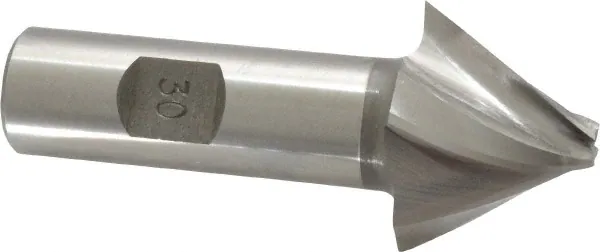
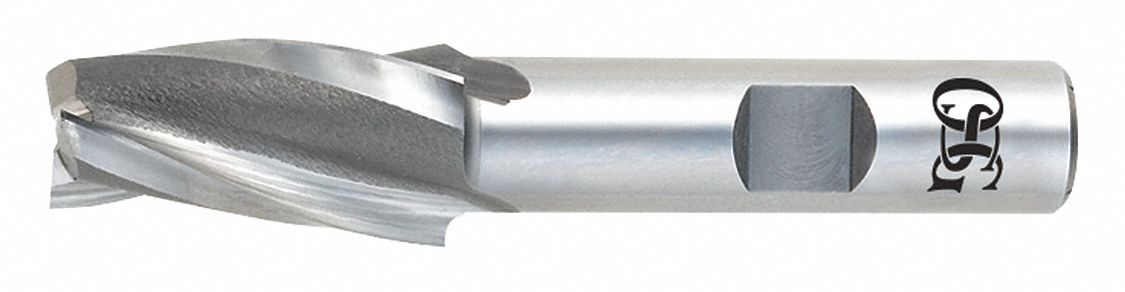
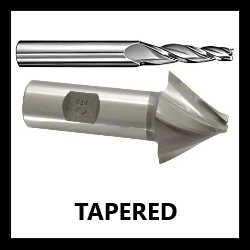
Tapered end mills are designed with a cutting edge that tapers at the end. They are used in several die and mold applications where milling at a specific angle is required. The cutting diameter should be measured at both the large and small ends of the taper, and both measurements should be included in the listing.
The Taper Angle should always be included in the listing. It will often be labeled (for example, the second one pictured above has a 30 degree taper angle), but if it is not it can also be measured with a protractor.
An important distinction is whether the listed angle is the total taper angle or the per side taper angle. Tapered end mills will sometimes be labeled with the taper per side, which is the total angle divided by two. So using the second image above as an example again, we could either say that it has a total taper angle of 30 degrees, OR we could say that it has a taper angle of 15 degrees per side. This should be specified in the listing whenever possible.
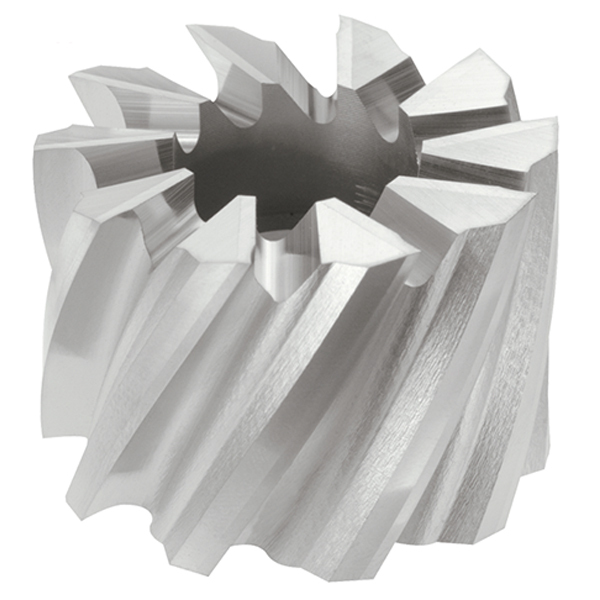
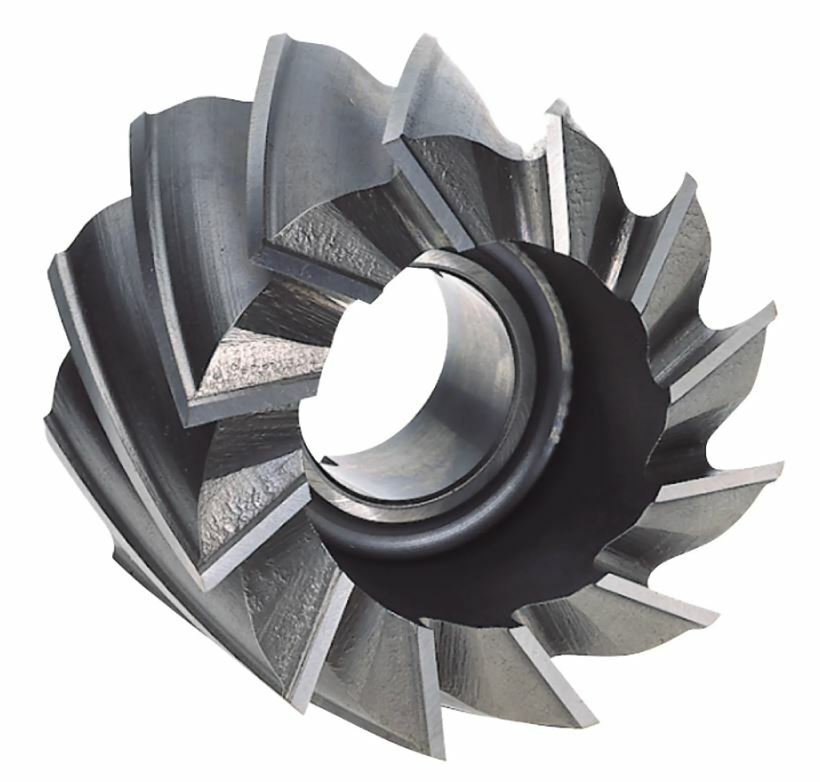
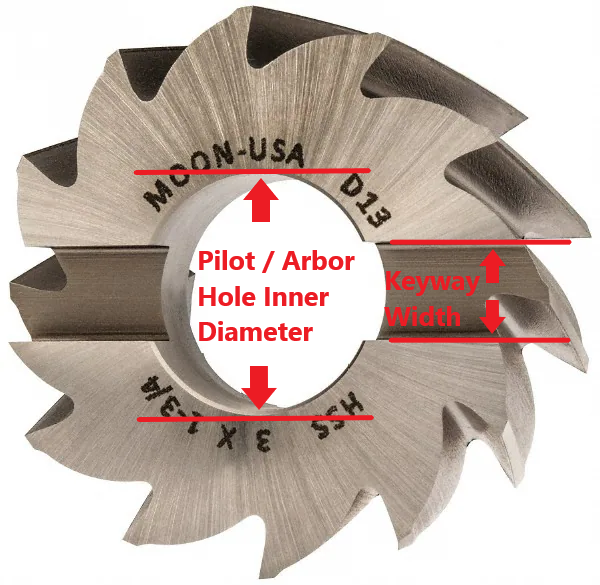
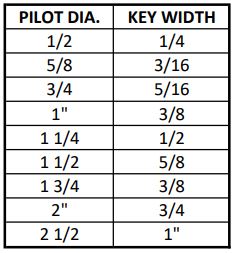
Rather than having an attached shank like most other end mill types, Shell End Mills (sometimes shortened to just Shell Mills) are mounted on an arbor with a pilot and keys and held in place with a bolt. The pilot hole diameter and keyway width can be measured using calipers. They should both be common fractional sizes, but will frequently measure a little oversize due to wear, so it is okay to round down if close (+/- .005"). There are several common pilot/key size combinations that almost all shell mills will adhere to, outlined in the chart below:
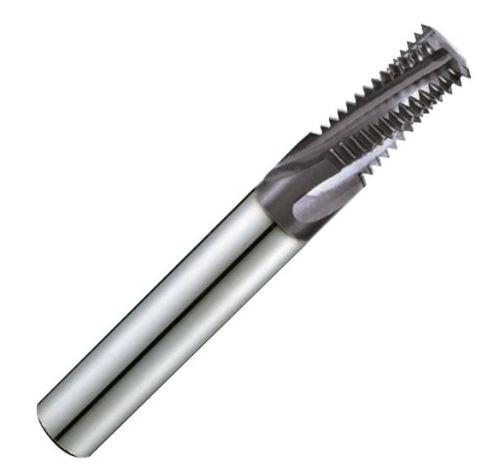
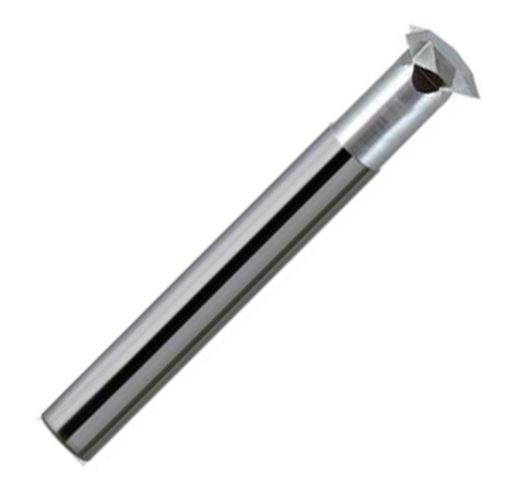
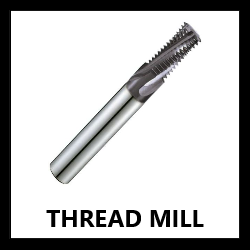
Thread Mills can be very similar in appearance to taps, having teeth which are used to cut threads. They will almost always be made of carbide and will have a specific thread pitch (often called TPI, or Threads Per Inch) that they are used to cut, which should always be included in the listing (you can include it at part of the Type - for example "8 TPI Threading"). If the TPI is not labeled, it can be measured using pitch gages. On a single-profile thread mill (pictured above on the right), this can be difficult to measure - ask your trainer for help if needed.
Thread mills will sometimes be labeled with a specific cutting diameter, but often can be used across a wider range of diameters. If no diameter is labeled, the O.D. can be measured as described in the "Cutting Diameter" section further down this page, but note that it will often be an unusual "off-size" (due to the way thread mills are used, the measured O.D. will typically not match a labeled diameter size - always go with the labeling when present).
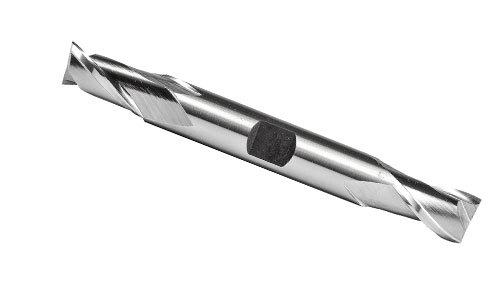
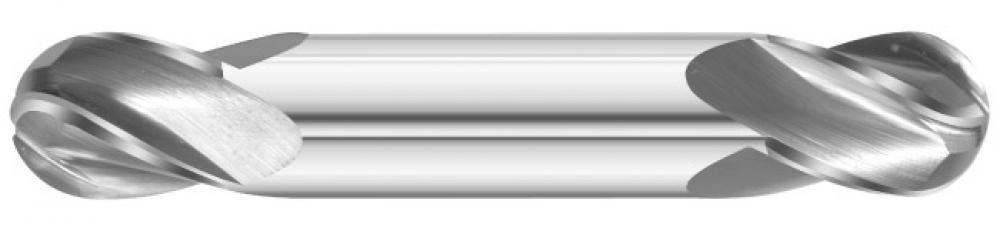
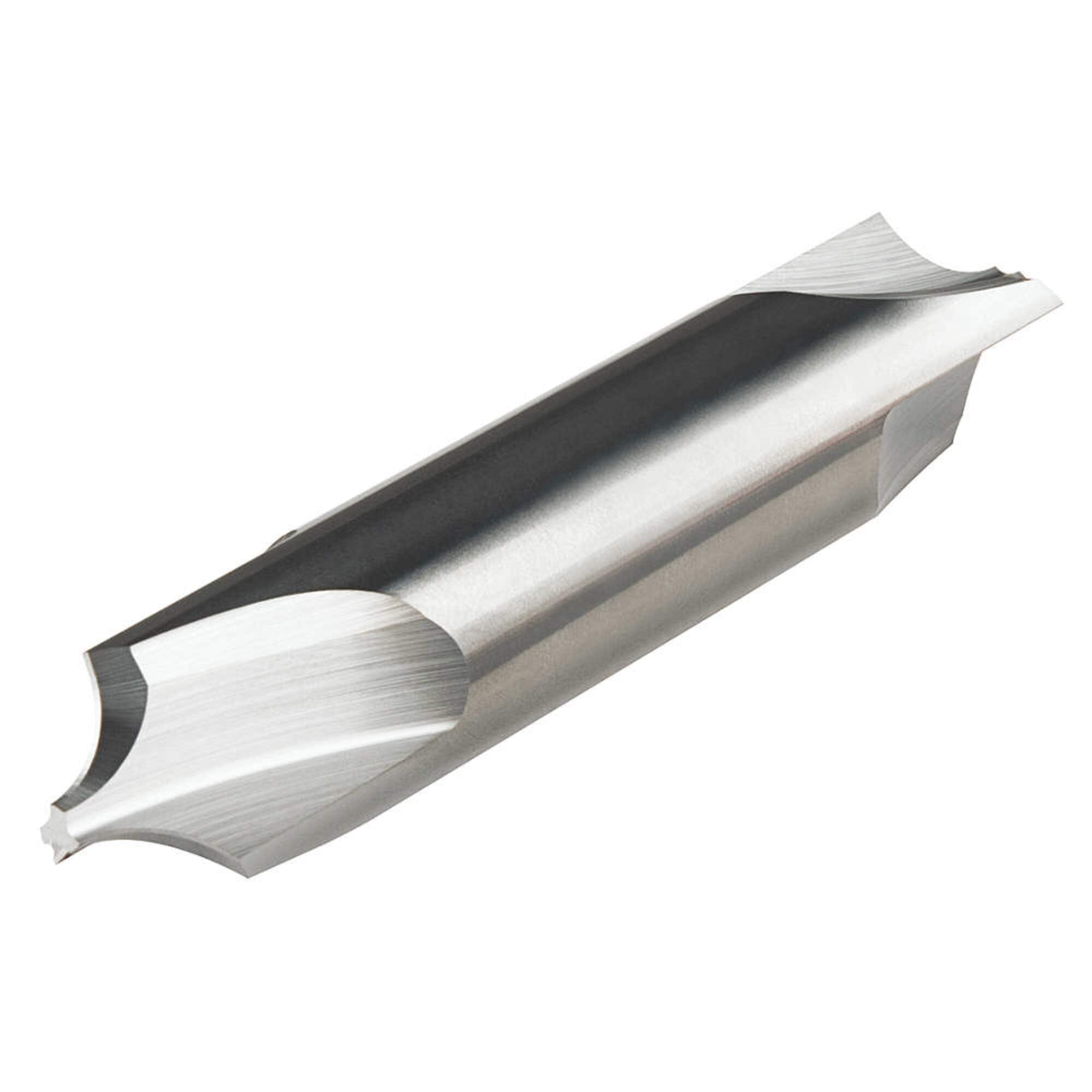
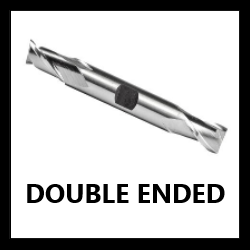
As the name implies, double ended end mills are end mills which have two working ends. This effectively doubles the life of the tool, as when one end becomes too worn down it can just be flipped around to use the other end instead.
Double Ended end mills will always also fall under one of the other end mill types described on this page. The listed type should always be as specific as possible and include both "double ended" and whichever other type it falls under. For example, the end mills pictures above would have their types listed as "Double Ended Square", "Double Ended Ball Nose", and "Double Ended Corner Rounding", respectively.
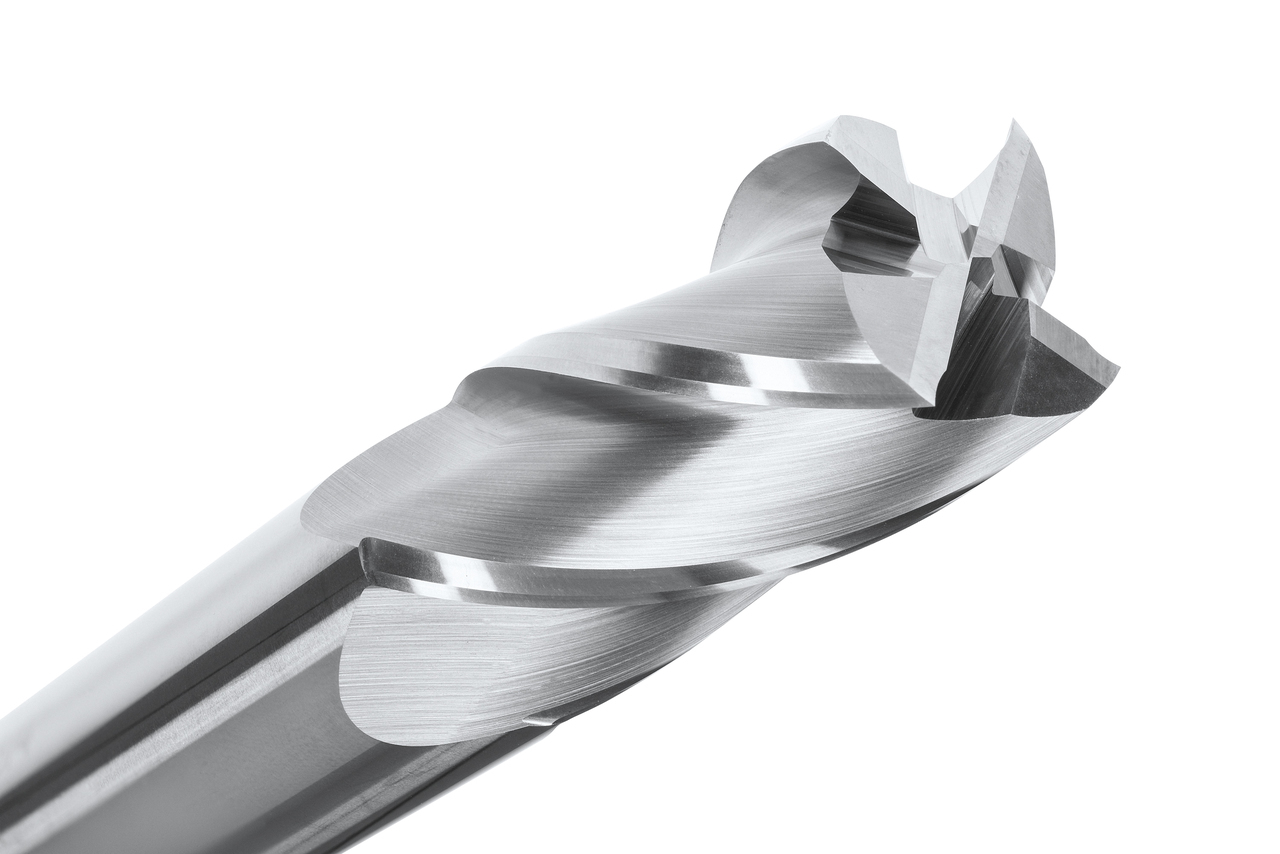
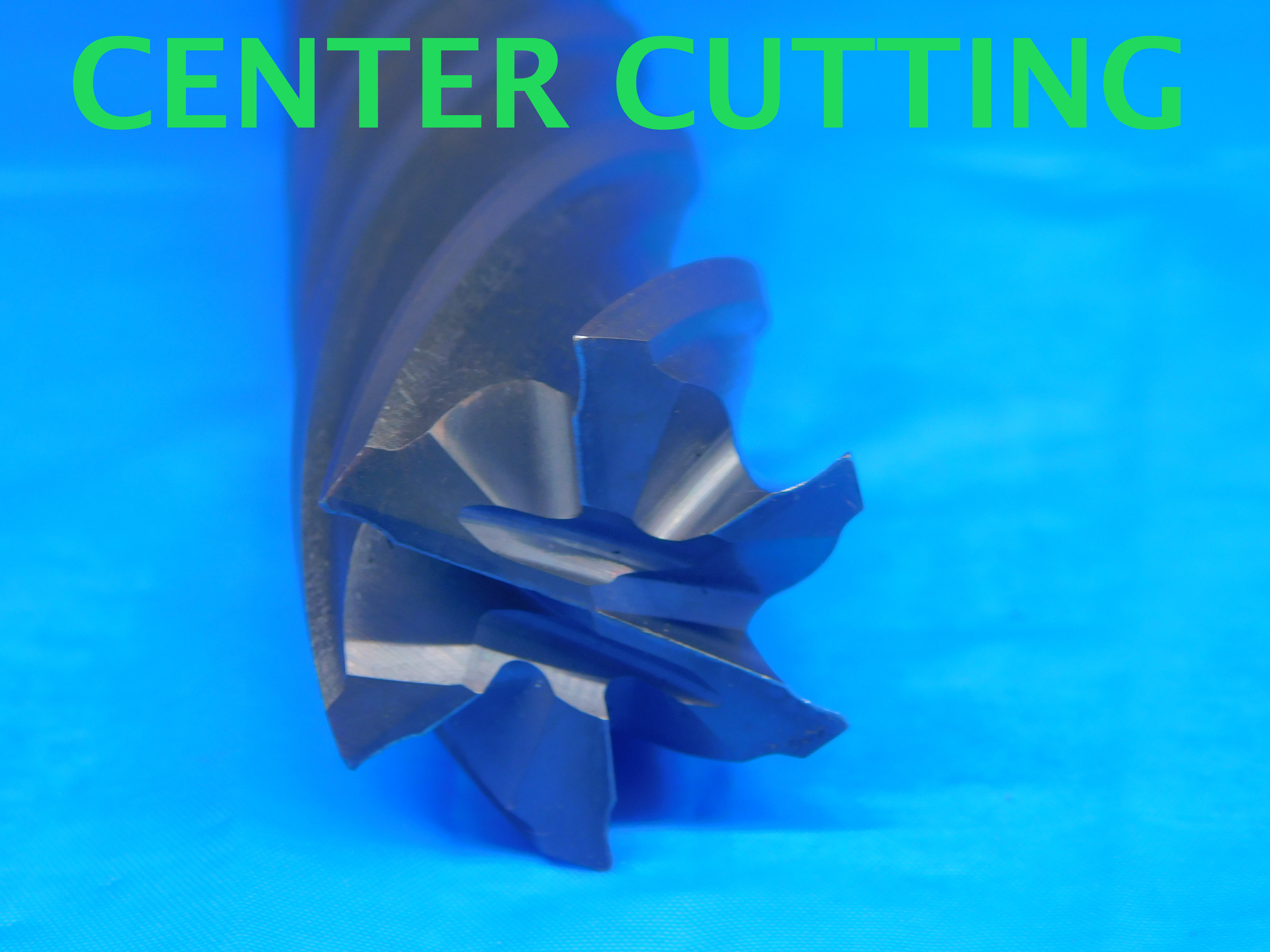
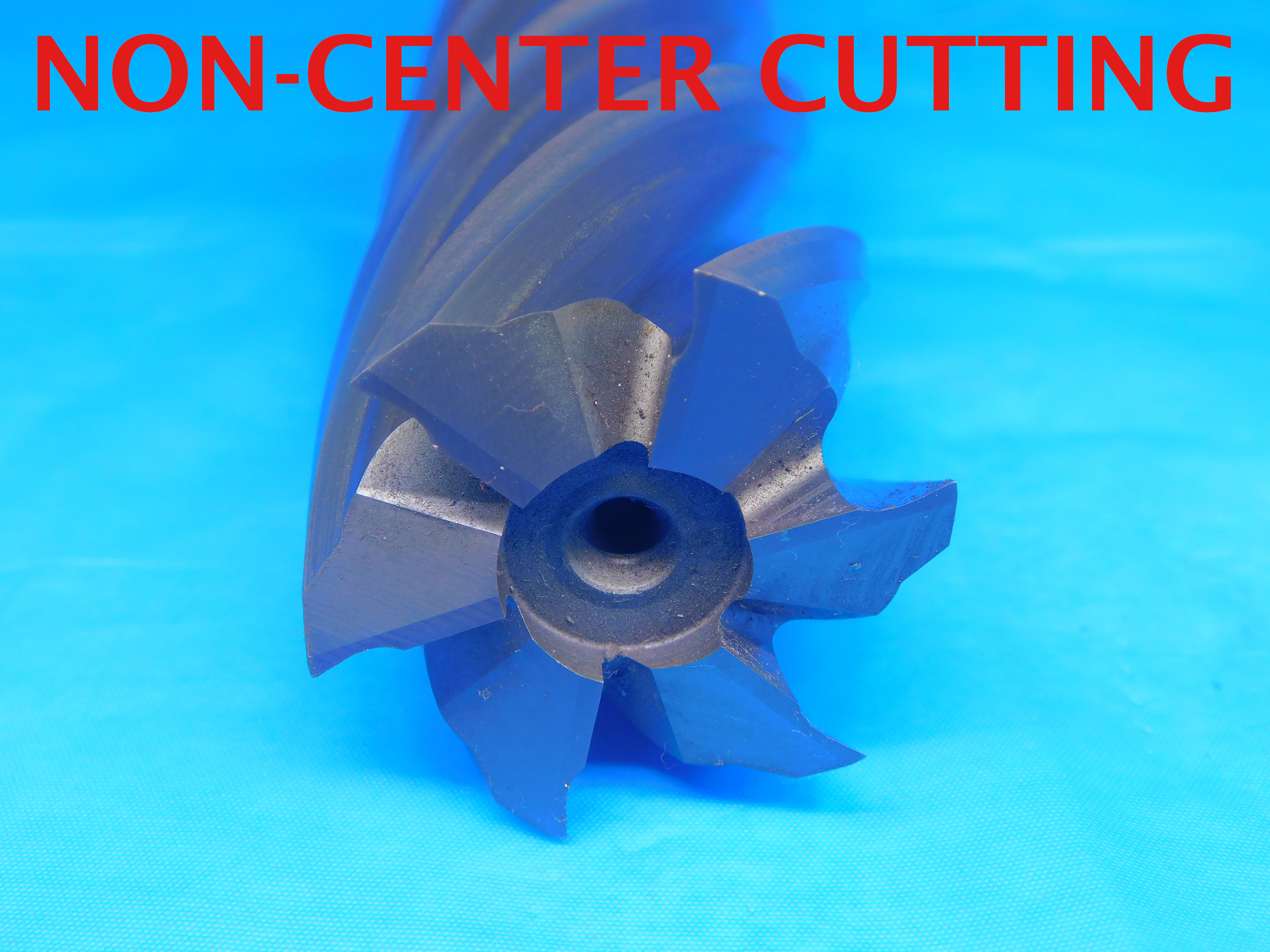
An end mill is center cutting if the cutting edges extend all the way to the center of the tip. *Note: On an end mill with more than 4 flutes, there may only be one set of cutting edges that goes all the way across the center, such as in the third image below. This is still considered to be center cutting.
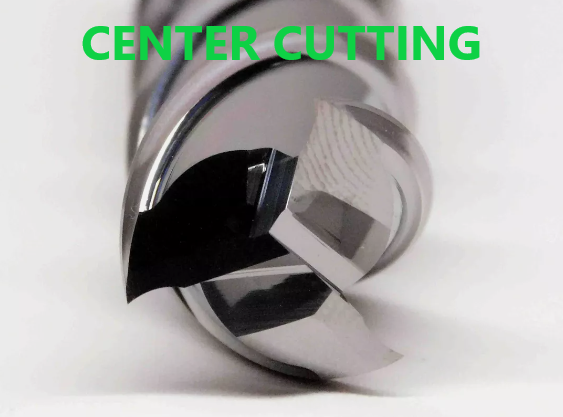
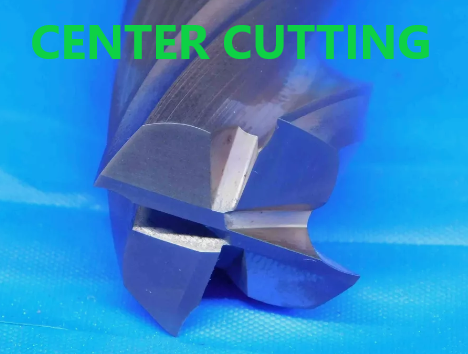
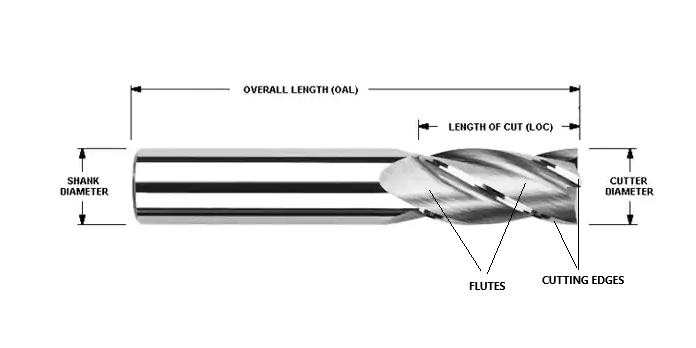
The cutting diameter is often labeled on the shank, but can also be measured using handheld calipers. For end mills with an even number of flutes, this is done by simply measuring from the outermost cutting edge across to the opposite cutting edge. For end mills with an odd number of flutes it is a little more complicated - you will need to measure from one cutting edge to the center of the tip (or as close to the center as you can approximate), and multiply by 2 to get the cutting diameter. End mills typically have cutting diameters that are common fractional sizes, but you will sometimes encounter metric and specific decimal sizes as well.
Note: When entering a whole-number inch size, always include the " sign. The " sign should not be included for any size including a fraction or decimal. So, for example: If an end mill's cutting diameter is exactly one inch, it should be entered as 1" and not just 1. If the cutting diameter is one and a half inches, it should be entered as 1 1/2 or 1.5 and not 1 1/2" or 1.5".
Metric size measurements should be entered with a lowercase "mm" (ex.: 16mm, 40mm).
As seen in the diagram above, length of cut is measured from the bottom of the cutting edge until the very end of the end mill. Please note that some end mills (such as the one in the diagram above) may have flutes that extend past the end of the cutting edges - so make sure you are measuring to the end of the cutting edge and not necessarily the end of the flutes.
The overall length is very simple; measure the distance between the farthest two points on the tool. This can be done with handheld calipers or even a tape measure as this does not need to be as precise as other measurements.
On many end mills, the shank diameter will be the same size as the cutting diameter. It can be measured using calipers and will usually be a common size, however this is a precise measurement and should not be rounded if it is more than .005" off from a fractional size.
This is simply the number of cutting edges on the end mill. This number can be as low as 2 and as high as 10 or more.
Include any part numbers or other important labeling. If the labeling includes sizes such as the cutting diameter, this does not need to be entered in Labeling as this information will already be in the listing. If there is no labeling, this can be left blank.
The "Filler" section is used to add other relevant information to the title which is not covered by the other sections. Fillers can be a good way to increase a listing's visibility - we always want to include as much information as possible that we think a customer might be searching for in order to make sure that our listing is coming up in their search results.
There is not necessarily one right answer when it comes to fillers, and often it will be up to you to decide what should and should not be added as filler. End mills generally do not require much filler, but some possible fillers include:
-Secondary Labeling
-"USA" or "USA Made" for any US Manufacturer (you may need to quickly research a brand if you are not sure, since this is not always specifically labeled)
Note: Keep in mind that titles have a maximum limit of 80 characters.
Additional Specifications & Special Condition
The Additional Specifications section should be used for any secondary labeling or additional measurements that do not fit in the other sections of the listing. There is no character limit here so any relevant information that is not already covered should be included (within reason - we don't want to overload the listing with unnecessary information, so ask your trainer if you are not sure whether or not to include something in this section).
The Special Condition section should be used for any special notes about the item's condition such as damage or modification. Try to be specific when describing the condition, and reference pictures that point out the damage / modification if applicable. For example, "There are some chips along one of the cutting edges - see picture #5 for details." General wear and tear does not need to be mentioned, but anything that will affect the tool's usage should be included here.
Once all information is entered, click here for the next steps.